TOTAL VOLUME:
$154.3b
24H VOL:
$228,458,490
24H TRANSACTIONS:
2,984,028,936
OPEN INTEREST:
$1,879,276,037
410,833
Markets across
40,345
events
MATCHED EVENTS:
4,363
PLATFORM COVERAGE:
5
Polymarket:
37%
VS.
Kalshi:
63%
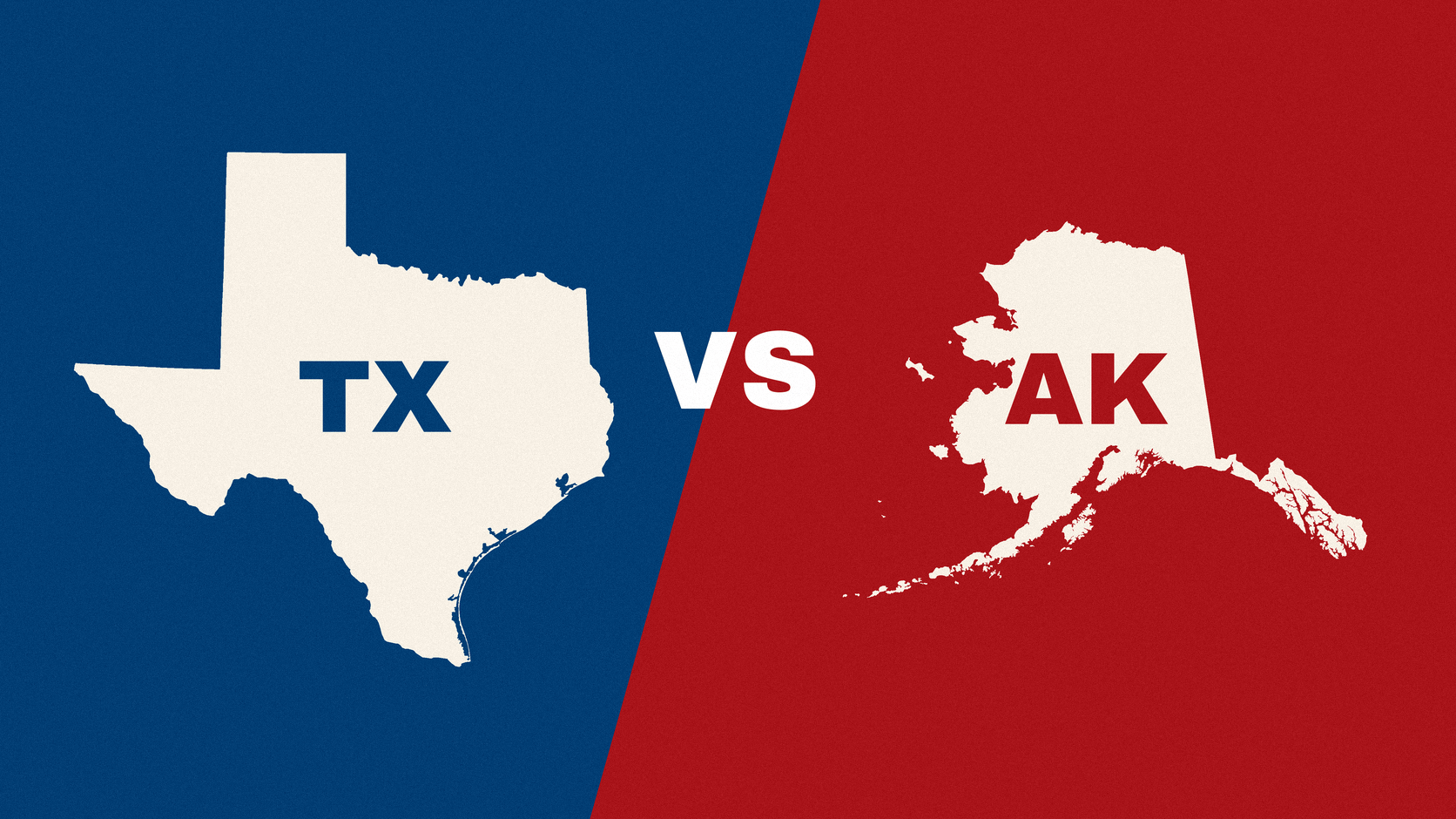

Closer Senate Race: Alaska or Texas?
Closer Senate Race: Alaska or Texas?
- Polymarket
Closer Senate Race: Alaska or Texas? - Polymarket
1W
News
Positive
Negative
Neutral
Hover marker for details
Vol.
·
Resolves Nov 3, 2026
Time left: 01d:07h:24m
Closer Senate Race: Alaska or Texas?
$
Description
The 2026 midterm elections are scheduled to be held on November 3, 2026. This market will resolve to "Alaska" if the regularly-scheduled US Senate race in Alaska has a smaller unrounded margin of victory than that of the Texas Senate election. This market will resolve to "Texas" if the regularly-scheduled US Senate race in Texas has a smaller unrounded margin of victory than that of the Alaska Senate election. If both states have the same margin of victory, this market will resolve 50-50. For the purpose of this market, the “margin of victory” is defined as the absolute difference between the percentages of valid votes received by the first- and second-place candidates. Percentages of the valid votes received by each candidate will be determined by dividing the total number of valid votes each of the top two candidates receives by the sum of all valid votes cast in the election. For elections that include runoffs, ranked-choice, or other multi-round elections, the relevant margin of victory will be that of the round in which the winner is determined. In the event that a relevant margin of victory cannot be determined by March 31, 2027, that state's margin of victory will be considered to be 0% for purposes of this market. The resolution source for this market will be a compilation of all of the relevant state election authorities responsible for certifying statewide elections, however, a consensus of credible reporting may also be used.
Polymarket
The 2026 midterm elections are scheduled to be held on November 3, 2026. This market will resolve to "Alaska" if the regularly-scheduled US Senate race in Alaska has a smaller unrounded margin of victory than that of the Texas Senate election. This market will resolve to "Texas" if the regularly-scheduled US Senate race in Texas has a smaller unrounded margin of victory than that of the Alaska Senate election. If both states have the same margin of victory, this market will resolve 50-50. For the purpose of this market, the “margin of victory” is defined as the absolute difference between the percentages of valid votes received by the first- and second-place candidates. Percentages of the valid votes received by each candidate will be determined by dividing the total number of valid votes each of the top two candidates receives by the sum of all valid votes cast in the election. For elections that include runoffs, ranked-choice, or other multi-round elections, the relevant margin of victory will be that of the round in which the winner is determined. In the event that a relevant margin of victory cannot be determined by March 31, 2027, that state's margin of victory will be considered to be 0% for purposes of this market. The resolution source for this market will be a compilation of all of the relevant state election authorities responsible for certifying statewide elections, however, a consensus of credible reporting may also be used.
Frequently asked questions
Currently, prediction market odds offer a distinct perspective compared to traditional polling averages. While polls attempt to capture a snapshot of voter intent at a given time, this market reflects a continuously updated assessment of probabilities based on a wide range of information, including polls, news events, and expert analysis. Discrepancies can arise due to differing methodologies and the dynamic nature of prediction markets, which incorporate new data more rapidly than polls often do. It’s important to consider both sources of information when forming an overall view of the races.
On Polymarket, this market is priced using a continuous double auction. Traders buy and sell shares representing their belief about which Senate race—Alaska or Texas—will be closer as measured by the final vote margin. The price of these shares fluctuates based on supply and demand, effectively creating an implied probability for each outcome. On Polymarket, prices reflect that venue's order book, liquidity, and how traders price the outcome right now. The market’s price reflects the collective wisdom of participants, incorporating their individual assessments of the available information and potential future developments. This dynamic pricing mechanism ensures the market stays responsive to new data and changing perceptions.
This market resolves around Nov 4, 2026, with the outcome confirmed once the event is verifiable from credible public reporting. Resolution will be based on which Senate race—Alaska or Texas—has the smaller vote difference between the winning and losing candidates. In the event of a tie in either race, that race will be considered the closer contest. The final vote counts from official election results will be used to determine the winner and the margin of victory in each state, ultimately deciding the outcome of this market.
Several signals or events could significantly move this market before Nov 4, 2026. Major news events, such as significant candidate gaffes, unexpected endorsements, or shifts in national political trends, could all influence trader sentiment. Changes in polling data, particularly if they indicate a tightening or widening of the race in either Alaska or Texas, would also likely have an impact. Furthermore, substantial fundraising reports or key debates could alter perceptions of each candidate's chances, leading to adjustments in the market price. Unexpected third-party candidacies or significant voter turnout changes could also play a role.
