TOTAL VOLUME:
$146.7b
24H VOL:
$162,970,420
24H TRANSACTIONS:
2,781,800,361
OPEN INTEREST:
$1,740,912,349
501,518
Markets across
37,286
events
MATCHED EVENTS:
2,933
PLATFORM COVERAGE:
5
Polymarket:
38%
VS.
Kalshi:
62%
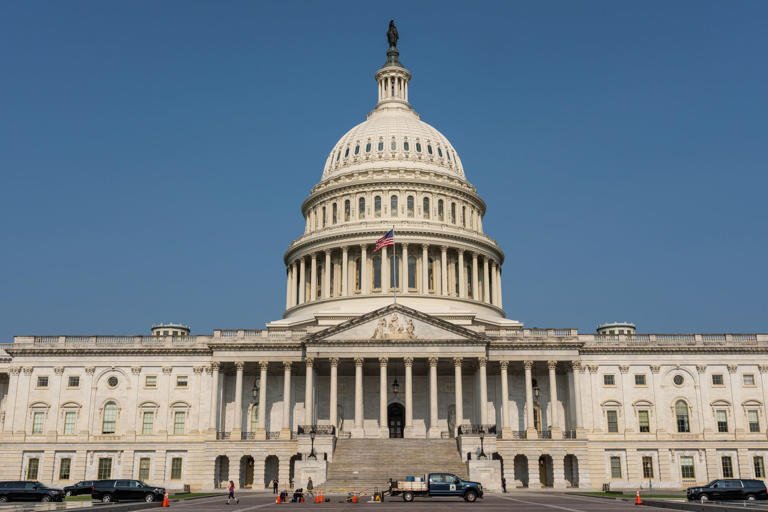
Clarity Act signed into law in 2026?
all
2 markets
Predict
Polymarket
consensus
News
Positive
Negative
Neutral
Hover marker for details
Vol.
·
Resolves Jan 1, 2027
Latest in Politics



Clarity Act signed into law in 2026?
$

Clarity Act signed into law in 2026?

Clarity Act (H.R.3633) signed into law in 2026?

Description
This event group tracks whether the Digital Asset Market Clarity Act of 2025 (H.R.3633) will be passed by both chambers of the U.S. Congress and signed into law by December 31, 2026.
PredictionHero - Resolution Divergence Alerts (RDA)
Unified Resolution Criteria (Consistent across platforms)
Both Polymarket and Predict use identical criteria for resolution based on the legislative status of H.R.3633 by the specified deadline.Primary resolution logic: Congress.gov’s legislation tracker for H.R.3633Core resolution logic:
- The market resolves to "Yes" if H.R.3633 is enacted into law by December 31, 2026
- The market resolves to "No" if the bill fails to pass both chambers or is not signed into law by the deadline
Edge cases & clarifications:
- veto override: If the President vetoes the bill but Congress overrides the veto before the deadline, the market still resolves to "Yes"
- repealer legislation: If a subsequent law repeals the Clarity Act before January 1, 2027, the original passage still counts as resolution "Yes"
Polymarket
This market will resolve to "Yes" if the Digital Asset Market Clarity Act of 2025 (H.R.3633) is passed by both chambers of the U.S. Congress and signed into law by December 31, 2026, 11:59 PM ET. Otherwise, this market will resolve to "No". The primary resolution source is Congress.gov’s legislation tracker (https://www.congress.gov/bill/119th-congress/house-bill/3633) and other official information from the government of the United States, however other credible reporting may be used.
Predict
This market will resolve to "Yes" if the Digital Asset Market Clarity Act of 2025 (H.R.3633) is passed by both chambers of the U.S. Congress and signed into law by December 31, 2026, 11:59 PM ET. Otherwise, this market will resolve to "No". The primary resolution source is Congress.gov’s legislation tracker (https://www.congress.gov/bill/119th-congress/house-bill/3633) and other official information from the government of the United States, however other credible reporting may be used.
Frequently asked questions
Prediction market odds on this market reflect trader sentiment incorporating factors beyond public opinion, such as legislative strategy and political maneuvering. While polling averages capture general voter attitudes, market prices can diverge due to insider expectations or recent developments affecting the bill's prospects. The gap between these two measures often highlights where expert or invested views differ from the broader public.
On Polymarket and Predict, prices can vary because of differences in user bases, liquidity, and trading activity. Polymarket and Predict can show different implied probabilities for the same outcome because of liquidity, fee structure, participant mix, and how each venue defines the contract. For instance, one platform might attract more politically engaged traders who have recent insights, while the other could reflect broader, less specialized betting. This can lead to distinct probability assessments, with Polymarket currently favoring Clarity Act signed into law in 2026? at 4.5%, and Predict leaning toward Clarity Act signed into law in 2026? at 5.0%.
This market resolves around Jan 1, 2027, with the outcome confirmed once the event is verifiable from credible public reporting. The final result depends on whether formal signing occurs by the relevant date, based on official government announcements and widely covered news sources.
Key events that could shift probabilities include major legislative votes, statements from key political figures, changes in party control of Congress, or unexpected political developments. News coverage of negotiations, amendments, or executive positions on the Clarity Act can also cause rapid shifts in trader sentiment and market pricing before the final resolution date.


