TOTAL VOLUME:
$119.4b
24H VOL:
$77,805,735
24H TRANSACTIONS:
1,423,588,327
OPEN INTEREST:
$1,167,150,414
327,647
Markets across
32,801
events
MATCHED EVENTS:
3,252
PLATFORM COVERAGE:
5
Polymarket:
42%
VS.
Kalshi:
58%
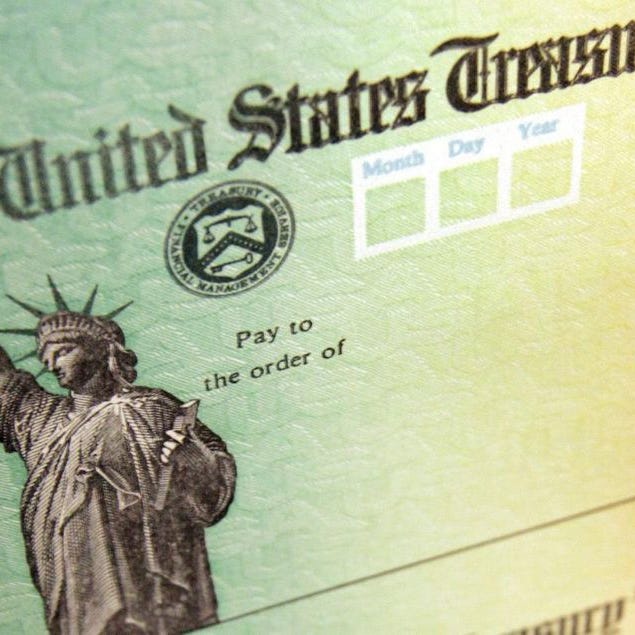

Will Trump create a tariff dividend by December 31, 2026?
- Polymarket
Will Trump create a tariff dividend by December 31, 2026? - Polymarket
1W
News
Positive
Negative
Neutral
Hover marker for details
Vol.
·
Resolves Jan 1, 2027
Latest in Politics


Will Trump create a tariff dividend by December 31, 2026?
$

Will Trump create a tariff dividend by December 31, 2026?
Intro
This market tracks whether the Trump Administration will implement a tariff dividend by December 31, 2026. The aggregated consensus probability for the leading outcome stands at 13.0%, drawn from Kalshi and Polymarket, with resolution determined by reports from designated Source Agencies. The second outcome, concerning the reporting of such payments, holds a probability of 5.4%. Watch for developments leading up to the January 1, 2027 resolution deadline to see if the criteria for market settlement are met.
PredictionHero - Resolution Divergence Alerts (RDA)
Divergence Detected
Issue: Polymarket resolves on formal policy creation (signing/executive action) by Dec 31, 2026, regardless of payment timing. Kalshi resolves on actual payment distribution (minimum $1,000 to at least 1 million Americans) reported before nine staggered dates ending Jan 1, 2027. The markets measure different events: intent/policy vs. execution/distribution.Hero tip: Polymarket is a policy-creation bet; Kalshi is a payment-execution bet. A tariff dividend bill signed on December 30, 2026 with payments scheduled for 2027 resolves YES on Polymarket but NO on Kalshi. Conversely, if no formal policy is announced but Trump somehow distributes tariff rebates informally before Jan 1, 2027, Kalshi could resolve YES while Polymarket resolves NO. Understand which outcome you are actually betting on.Critical divergence points:
- Polymarket: Resolves YES if Trump Administration formally creates a tariff dividend by December 31, 2026 via signed legislation or executive action. Key quote: 'Any bill signed into law or executive action taken within this market's time frame will qualify, regardless of when the law or action goes into effect.' Payment timing is irrelevant; policy creation is the sole trigger.
- Kalshi: Resolves YES if at least one million Americans have received payments of at least $1,000 directly attributable to tariff revenue, reported by Source Agencies before one of nine dates (Jan 1, 2026 through Jan 1, 2027). Key requirement: actual payment distribution and reporting, not policy announcement. Multiple deadline windows create a rolling YES condition.
Polymarket
This market will resolve to "Yes" if the Trump Administration formally creates (e.g., by signing federal legislation or performing executive action) a tariff dividend/rebate by December 31, 2026, 11:59 PM ET. Otherwise, this market will resolve to "No". Any bill signed into law or executive action taken within this market's time frame will qualify, regardless of when the law or action goes into effect. A qualifying payment of any amount distributed to any segment of individual US taxpayers will qualify as long as it is clearly attributed primarily to tariff revenue rather than a routine tax refund or credit. The resolution source will be a consensus of credible reporting.
Kalshi
For resolution to Yes, a Source Agency must officially report as fact—not as a claim by another party—that at least one million Americans received payments of at least $1,000 directly attributable to tariff revenue. Mere statements that a political figure claimed payments came from tariffs do not satisfy this requirement; the agency itself must verify and report the tariff-revenue connection. The threshold can be met by any point before August 1, 2026.
Frequently asked questions
Prediction markets differ from polls because traders stake real capital on outcomes rather than expressing opinions. This market reflects financial incentives to forecast accurately, not sentiment snapshots. Traders weigh legislative feasibility, economic data, and political momentum to price the likelihood of a tariff dividend. While polls measure public preference or awareness, this market prices the probability of actual policy implementation and distribution by the deadline, making it a forward-looking economic indicator rather than a popularity measure.
Polymarket and Kalshi may show different odds because they use distinct outcome definitions and trader bases. Polymarket and Kalshi can show different implied probabilities for the same outcome because of liquidity, fee structure, participant mix, and how each venue defines the contract. Polymarket requires documented checks of at least $1,000 per American, a narrow and verifiable standard, while Kalshi uses looser language on tariff dividend creation, which could encompass indirect benefits or policy announcements. Regulatory differences, liquidity concentration, and how each platform's community interprets "tariff dividend" also drive pricing gaps. Arbitrage traders monitor these spreads, but definitional ambiguity can sustain divergence.
This market resolves around Jan 1, 2027, with the outcome confirmed once the event is verifiable from credible public reporting. Resolution hinges on whether a tariff dividend—direct cash payments funded by tariff revenue—has been created and distributed to Americans by that deadline. The specifics depend on each platform's outcome language; one focuses on documented checks meeting a dollar threshold, while the other assesses broader policy implementation. Both require clear, documented evidence before settlement.
Key catalysts include tariff legislation passage, Treasury announcements on revenue allocation, and any executive orders directing dividend payments. Economic data on tariff revenue collection will shift trader confidence. Congressional budget negotiations, election cycles, and court rulings on tariff authority could reshape odds. Media coverage of pilot programs or state-level distributions would signal momentum. Conversely, recession fears, trade deal announcements, or political opposition could dampen expectations. Real-time tracking of legislative progress and revenue reports will drive volatility through year-end 2026.

'%3e%3ccircle%20cx='26'%20cy='26'%20r='26'%20fill='%23000'/%3e%3cpath%20fill='%23fff'%20d='M27.6629%2037.9855L31.004%2037.6925L32.1989%2051.3689C33.72%2051.027%2035.2073%2050.5486%2036.6425%2049.9395V37.8085H40.7697V47.7178C42.4942%2046.577%2044.0775%2045.236%2045.4865%2043.7226L46.0172%2037.6591L49.5548%2037.9678C51.5707%2034.0725%2052.5697%2029.7306%2052.4591%2025.3456C52.3484%2020.9605%2051.1317%2016.6746%2048.9219%2012.886L48.7903%2014.392L44.6631%2014.0303L45.1937%207.97067C43.8569%206.58147%2042.3706%205.34447%2040.7619%204.28222V14.2406H36.6347V2.06247C34.8743%201.313%2033.0358%200.762345%2031.1533%200.420753L32.3463%2014.0637L29.0052%2014.3566L27.7513%200.0314647C27.3308%200.0118035%2026.9062%200%2026.4817%200C24.8262%204.44017e-06%2023.1745%200.157349%2021.5487%200.469906L23.9072%2013.8985L21.364%2014.3468L19.0253%201.0853C16.8454%201.73668%2014.7611%202.67345%2012.8266%203.87129L15.4601%2013.7019L13.4634%2014.2387L11.0146%205.09226C9.12509%206.49278%207.43337%208.1422%205.98527%209.99577L7.26077%2013.5014L5.80446%2014.0322L4.88665%2011.5097C3.41845%2013.6953%202.29182%2016.092%201.54558%2018.6172L1.95829%2018.4678L7.2647%2033.0387L5.80839%2033.5696L1.06407%2020.5303C-0.0225105%2025.6016%200.430464%2030.8821%202.36486%2035.6941C4.29926%2040.5061%207.62683%2044.6301%2011.9206%2047.5369L9.45605%2038.3355L11.4528%2037.7987L14.4677%2049.0567C16.5333%2050.1354%2018.7355%2050.9291%2021.0142%2051.4161L18.6892%2038.1605L21.2343%2037.7122L23.7283%2051.8683C24.6462%2051.9654%2025.5686%2052.014%2026.4916%2052.0138C27.2954%2052.0138%2028.0933%2051.9764%2028.8795%2051.9037L27.6629%2037.9855Z'%20/%3e%3cpath%20fill='%23000'%20d='M46.0368%2018.1276L50.1542%2018.4875L48.804%2033.9372L44.6768%2033.5774L46.0368%2018.1276ZM36.6484%2018.279H40.7756V33.7858H36.6484V18.279ZM31.0099%2018.1611L32.3601%2033.6109L29.019%2033.9038L27.6668%2018.454L31.0099%2018.1611ZM13.481%2033.7898L9.4698%2018.8099L11.4666%2018.2751L15.4778%2033.2452L13.481%2033.7898ZM21.3817%2033.892L18.6892%2018.6211L21.2343%2018.1729L23.9248%2033.4418L21.3817%2033.892Z'%20/%3e%3c/g%3e%3c/svg%3e)
%20scale(0.82)%20translate(-12.5%20-12.5)'%3e%3cpath%20fill='%23000'%20fill-rule='evenodd'%20d='M9.619%2012.69h12.995a1.382%201.382%200%200%200%200-2.76h-3.932l5.298-5.405.032-.032L22.08%202.56h-5.255V1.38c0-.76-.619-1.38-1.38-1.38H9.81c-.76%200-1.38.62-1.38%201.38V11.5c0%20.657.534%201.19%201.19%201.19m12.995-2.186h-5.3l5.89-6.01-1.139-1.139-5.813%205.933V1.38a.806.806%200%200%200-.805-.806.806.806%200%200%200-.805.806v9.545c0%20.656.533%201.19%201.189%201.19h6.783a.806.806%200%200%200%200-1.612'%20clip-rule='evenodd'/%3e%3cpath%20fill='%23000'%20fill-rule='evenodd'%20d='M14.393%2011.31H1.398a1.382%201.382%200%200%200%200%202.76H5.33L.032%2019.476%200%2019.507l1.931%201.933h5.255v1.18c0%20.76.619%201.38%201.379%201.38h5.638c.76%200%201.38-.62%201.38-1.38V12.5c0-.657-.534-1.19-1.19-1.19m.293%2011.31a.8.8%200%200%201-.788.805.797.797%200%200%201-.787-.805v-7.904l-5.69%205.928-1.113-1.139%205.764-6.005H6.884a.797.797%200%200%201-.787-.806c0-.444.353-.806.787-.806h6.638c.642%200%201.164.534%201.164%201.19z'%20clip-rule='evenodd'/%3e%3c/g%3e%3c/svg%3e)