TOTAL VOLUME:
$171.6b
24H VOL:
$86,296,806
OPEN INTEREST:
$1,681,025,291
316,064
Markets across
33,798
events
MATCHED EVENTS:
2,974
PLATFORM COVERAGE:
5
Polymarket:
35%
VS.
Kalshi:
65%

Before Jan 4, 2027
- Kalshi
Before Jan 4, 2027 - Kalshi
1W
News
Positive
Negative
Neutral
Hover marker for details
Vol.
·
Resolves Jan 4, 2027
Latest in Politics




Will "SAVE Act" (H.R. 22) becomes law before Jan 4, 2027?
$
Intro
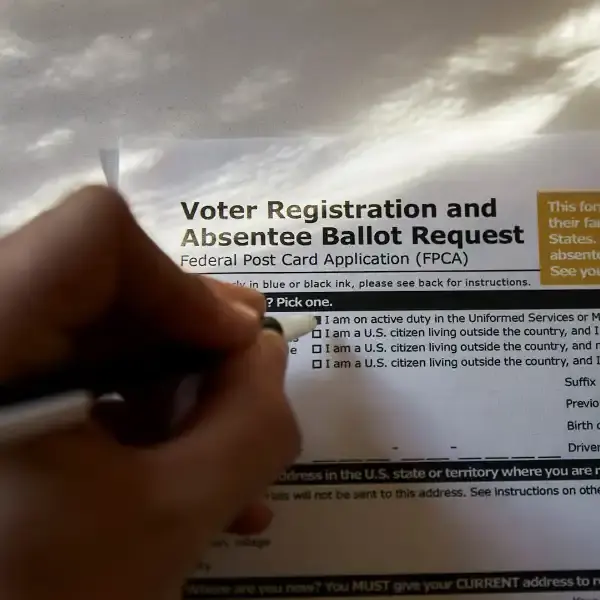
This market tracks whether the SAVE Act (H.R. 22) will be enacted into law before January 4, 2027. Currently, Kalshi gives a 1.2% probability to this outcome. The market resolves based on whether the SAVE Act passes through Congress and receives presidential signature before the specified date, as determined by the resolution source. Traders should watch the progress of the bill through Congress, particularly any potential votes in the House or Senate leading up to January 4, 2027, as that date represents the end of the betting period for this market.
Kalshi
If the SAVE Act (H.R. 22) becomes law before Jan 4, 2027, then the market resolves to Yes.
Frequently asked questions
Currently, prediction market odds suggest a relatively low probability of the SAVE Act becoming law. This contrasts with some public polling data, which may show differing levels of support for the underlying policies within the Act. It's important to remember that polls capture stated preferences, while this market reflects what people are willing to wager on the actual outcome. Discrepancies can arise due to factors like informed trading, strategic behavior, and differing interpretations of the political landscape. The question of whether polls or prediction markets are more accurate remains a topic of ongoing debate.
On Kalshi, this market is priced using a continuous double auction mechanism, where traders buy and sell contracts representing their beliefs about whether the SAVE Act will pass. The price of a contract reflects the probability of that outcome, with higher prices indicating a greater perceived chance of passage. On Kalshi, prices reflect that venue's order book, liquidity, and how traders price the outcome right now. Traders can adjust their bids and asks based on new information and their own analysis, driving the market price towards a consensus view. The current top outcome, “Will ‘SAVE Act’ (H.R. 22) becomes law before Jan 4, 2027?”, has a chance percentage of 0.7%.
This market resolves around Jan 4, 2027, with the outcome confirmed once the event is verifiable from credible public reporting. Specifically, the resolution will depend on whether the SAVE Act (H.R. 22) is officially enacted into law by that date. This will be determined by checking official government sources, such as the Congressional Record and the White House website, to confirm whether the bill has been signed by the President. The outcome will be based on the legal status of the Act, not on any specific interpretation or opinion.
Several factors could significantly impact this market. Major developments in the legislative process, such as committee votes, floor debates, and amendments to the bill, would likely cause price fluctuations. Statements from key political figures, including the President and members of Congress, could also influence trader sentiment. Unexpected economic data or shifts in the political climate could also play a role. Finally, any news regarding potential legal challenges to the Act could move this market as traders reassess the likelihood of its final passage.