TOTAL VOLUME:
$114.6b
24H VOL:
$127,848,495
24H TRANSACTIONS:
1,317,432,675
OPEN INTEREST:
$1,174,740,988
332,361
Markets across
32,151
events
MATCHED EVENTS:
3,013
PLATFORM COVERAGE:
5
Polymarket:
42%
VS.
Kalshi:
58%
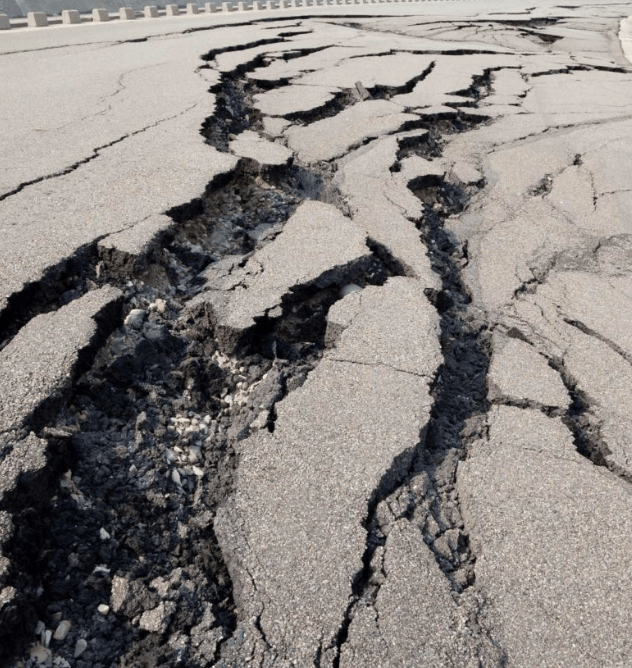


Will California experience a 7.0 or above magnitude earthquake in 2026?
Will California experience a 7.0 or above magnitude earthquake in 2026?
- Polymarket
Will California experience a 7.0 or above magnitude earthquake in 2026? - Polymarket
14.9%
1W
News
Positive
Negative
Neutral
Hover marker for details
Aug 14
Aug 16
Aug 17
Aug 18
Aug 19
Aug 20
Aug 21
Vol.
$1.1k
·
Resolves Jan 1, 2027
Latest in Climate and Weather




Will California experience a 7.0 or above magnitude earthquake in 2026?
$
Intro
This market tracks whether California will have an earthquake of magnitude 7.0 or greater in 2026, with the current aggregated consensus at 8.7%, and a secondary outcome of an at least 8.0 magnitude earthquake before 2027 at 6.0%. Data is aggregated from Kalshi and Polymarket, with resolution provided by the United States Geological Survey (USGS). Watch for official earthquake reports by the USGS before the December 31, 2026 deadline to see if the market resolves.
PredictionHero - Resolution Divergence Alerts (RDA)
Unified Resolution Criteria (Consistent across platforms)
Both platforms require a USGS-reported earthquake of magnitude 7.0 or greater within California's territorial boundaries by December 31, 2026.Primary resolution logic: United States Geological Survey (USGS)Core resolution logic:
- Magnitude must be 7.0 or greater (final reviewed magnitude, not preliminary estimates)
- Epicenter must be within California's territorial boundaries (including offshore areas)
- Occurrence must be by December 31, 2026 at 11:59:59 PM ET
Edge cases & clarifications:
- Border Earthquakes: Earthquakes on the California border will only count if the USGS-listed epicenter coordinates fall within California's boundaries
- Aftershocks/Foreshocks: Any individual event meeting the magnitude and location criteria resolves the market Yes, regardless of whether it is classified as a mainshock, aftershock, or foreshock
Polymarket
This market will resolve "Yes" if the United States Geological Survey (USGS) (https://www.usgs.gov/programs/earthquake-hazards/lists-maps-and-statistics) reports at least one earthquake of moment magnitude (Mw) 7.0 or greater with an epicenter located within the state of California by December 31, 2026 at 11:59:59 PM ET. Otherwise, this market will resolve "No". The state of California includes the entirety of California as recognized under U.S. law including offshore areas within California's territorial boundaries. Earthquakes occurring on the California border must have their USGS-listed epicenter coordinates fall within California's boundaries. Any individual event meeting the magnitude and location criteria resolves the market "Yes", regardless of whether it is classified as a mainshock, aftershock, or foreshock. Resolution will be based on the USGS's final reviewed magnitude, not preliminary estimates, regardless of when that review is published, but the qualifying earthquake needs to have occurred within California by December 31, 2026 at 11:59:59 PM ET. This market will resolve based on official information from USGS, however, an overwhelming consensus of credible reporting confirming a qualifying earthquake may also resolve this market in an instance where USGS becomes unavailable.
Kalshi
If there is at least an earthquake of 8 magnitude with an epicenter in California or its territorial waters before Jan 1, 2027, then the market resolves to Yes.
Frequently asked questions
Price differences arise because each platform attracts distinct participant bases and applies unique trading mechanics. Polymarket and Kalshi can show different implied probabilities for the same outcome because of liquidity, fee structure, participant mix, and how each venue defines the contract. For example, Polymarket currently favors Will California experience a 7.0 or above magnitude earthquake in 2026? at 12.5%, while Kalshi leans toward Will there be an at least 8 magnitude earthquake in California before 2027? at 6.0%. Liquidity levels, user demographics, and even regional news coverage can amplify this spread, creating a 6.5 gap that reflects varied market dynamics rather than a single consensus view.
This market resolves around Jan 1, 2027, with the outcome confirmed once the event is verifiable from credible public reporting. If a tremor meeting the magnitude threshold occurs anywhere within the defined region before that date, the 'yes' side wins; otherwise, the 'no' side settles. The process relies on widely accepted seismic databases and news sources to ensure transparency and reliability for all participants.
Significant signals include reports of large aftershocks, updates from monitoring agencies about unusual tectonic activity, or policy changes affecting building safety standards. Natural events such as smaller quakes that trigger public alarm can also shift sentiment quickly. Media coverage of preparedness drills or budget allocations for disaster response sometimes creates short-term volatility, while long-term climate patterns influencing fault stress may gradually adjust trader expectations.
'%3e%3ccircle%20cx='26'%20cy='26'%20r='26'%20fill='%23000'/%3e%3cpath%20fill='%23fff'%20d='M27.6629%2037.9855L31.004%2037.6925L32.1989%2051.3689C33.72%2051.027%2035.2073%2050.5486%2036.6425%2049.9395V37.8085H40.7697V47.7178C42.4942%2046.577%2044.0775%2045.236%2045.4865%2043.7226L46.0172%2037.6591L49.5548%2037.9678C51.5707%2034.0725%2052.5697%2029.7306%2052.4591%2025.3456C52.3484%2020.9605%2051.1317%2016.6746%2048.9219%2012.886L48.7903%2014.392L44.6631%2014.0303L45.1937%207.97067C43.8569%206.58147%2042.3706%205.34447%2040.7619%204.28222V14.2406H36.6347V2.06247C34.8743%201.313%2033.0358%200.762345%2031.1533%200.420753L32.3463%2014.0637L29.0052%2014.3566L27.7513%200.0314647C27.3308%200.0118035%2026.9062%200%2026.4817%200C24.8262%204.44017e-06%2023.1745%200.157349%2021.5487%200.469906L23.9072%2013.8985L21.364%2014.3468L19.0253%201.0853C16.8454%201.73668%2014.7611%202.67345%2012.8266%203.87129L15.4601%2013.7019L13.4634%2014.2387L11.0146%205.09226C9.12509%206.49278%207.43337%208.1422%205.98527%209.99577L7.26077%2013.5014L5.80446%2014.0322L4.88665%2011.5097C3.41845%2013.6953%202.29182%2016.092%201.54558%2018.6172L1.95829%2018.4678L7.2647%2033.0387L5.80839%2033.5696L1.06407%2020.5303C-0.0225105%2025.6016%200.430464%2030.8821%202.36486%2035.6941C4.29926%2040.5061%207.62683%2044.6301%2011.9206%2047.5369L9.45605%2038.3355L11.4528%2037.7987L14.4677%2049.0567C16.5333%2050.1354%2018.7355%2050.9291%2021.0142%2051.4161L18.6892%2038.1605L21.2343%2037.7122L23.7283%2051.8683C24.6462%2051.9654%2025.5686%2052.014%2026.4916%2052.0138C27.2954%2052.0138%2028.0933%2051.9764%2028.8795%2051.9037L27.6629%2037.9855Z'%20/%3e%3cpath%20fill='%23000'%20d='M46.0368%2018.1276L50.1542%2018.4875L48.804%2033.9372L44.6768%2033.5774L46.0368%2018.1276ZM36.6484%2018.279H40.7756V33.7858H36.6484V18.279ZM31.0099%2018.1611L32.3601%2033.6109L29.019%2033.9038L27.6668%2018.454L31.0099%2018.1611ZM13.481%2033.7898L9.4698%2018.8099L11.4666%2018.2751L15.4778%2033.2452L13.481%2033.7898ZM21.3817%2033.892L18.6892%2018.6211L21.2343%2018.1729L23.9248%2033.4418L21.3817%2033.892Z'%20/%3e%3c/g%3e%3c/svg%3e)
