TOTAL VOLUME:
$154.6b
24H VOL:
$333,432,169
24H TRANSACTIONS:
2,984,640,614
OPEN INTEREST:
$1,971,286,090
419,492
Markets across
40,634
events
MATCHED EVENTS:
4,654
PLATFORM COVERAGE:
5
Polymarket:
37%
VS.
Kalshi:
63%
Closed: Oct 6, 10:18 AM EST

Kalshi
Description
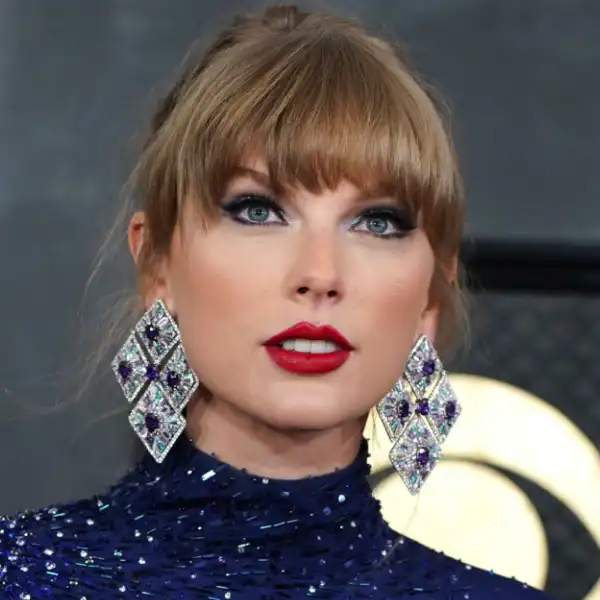
The event tracks whether a Taylor Swift album reaches the top position on the Billboard 200 chart by December 26, 2026. It focuses on the performance of her music in terms of chart dominance over that specific timeframe. The outcome depends on chart rankings and album sales or streams during the given period.
Kalshi
If Taylor Swift has a #1 album on the Billboard 200 by Dec 26, 2026, then the market resolves to Yes.
Frequently asked questions
Currently, this market reflects a strong expectation that Taylor Swift will achieve another #1 album, with implied odds aligning closely with many industry analysts' projections. While some experts highlight her consistent chart dominance, others point to potential challenges in the crowded music landscape. This market offers a real-time gauge of aggregated trader confidence, often moving in response to new releases, tour announcements, or shifting public sentiment.
On Kalshi, prices reflect that venue's order book, liquidity, and how traders price the outcome right now. On Kalshi, traders actively set the price through buying and selling contracts that represent the two possible outcomes. The current implied probability reflects the collective view of participants about Taylor Swift’s likelihood of landing another #1 album in 2026, influenced by recent performance trends, media coverage, and fan engagement metrics.
This market resolves around Dec 27, 2026, with the outcome confirmed once the event is verifiable from credible public reporting. Specifically, it will be settled based on whether Taylor Swift releases an album that reaches the top position on a major chart in 2026, as officially recognized by industry-standard sources.
Several signals could shift this market before resolution. Major announcements — such as new album release dates, lead singles, or tour schedules — often cause immediate price swings. Additionally, fan engagement metrics, chart performance of any new releases, and broader industry trends may all influence trader sentiment and adjust the odds as the year progresses.

