TOTAL VOLUME:
$97.2b
24H VOL:
$177,903,386
24H TRANSACTIONS:
950,106,883
OPEN INTEREST:
$2,049,845,057
824,617
Markets across
14,701
events
MATCHED EVENTS:
899
PLATFORM COVERAGE:
5
Polymarket:
45%
VS.
Kalshi:
55%
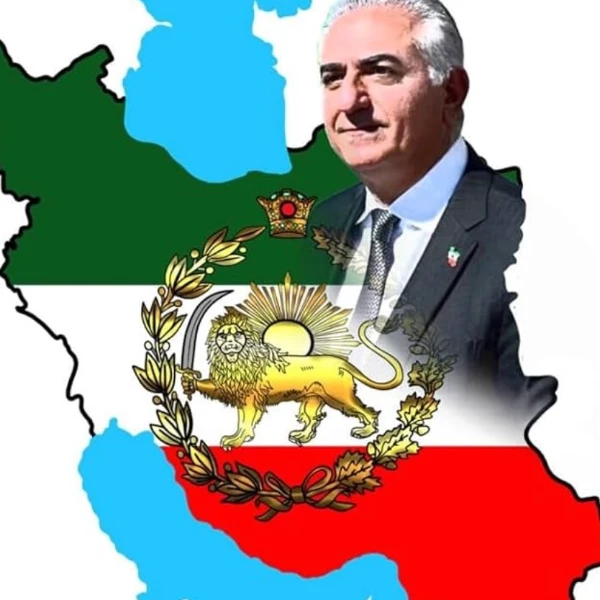
Will Reza Pahlavi lead Iran in 2026? Odds & Prediction Markets
6%
chance


Who will be the next the head of state or government of Iran?
$
$20
$50
$100
$500
Intro
This market on Kalshi tracks whether Reza Pahlavi will assume leadership as head of state or government of Iran by the end of 2026. The leading outcome currently stands at 4.0% on Kalshi, with resolution determined by whether Pahlavi is appointed, elected, named, designated, or succeeds to the position before January 1, 2027. Watch for any formal announcements or political developments regarding Iran's governmental leadership structure as the resolution date approaches.
Kalshi
If Reza Pahlavi is appointed, elected, named, designated, or succeeded to the position as the head of state or government of Iran before Jan 1, 2027, then the market resolves to Yes.
Frequently asked questions
Prediction market odds on Kalshi reflect real-time aggregated trader beliefs and differ from traditional analyst forecasts, which rely on geopolitical expertise and historical precedent. While analysts often emphasize Iran's institutional resistance to regime change and the challenges facing exiled opposition figures, prediction markets price in dynamic information from global traders responding to breaking news, diplomatic developments, and sanctions policy shifts. Market odds tend to be more volatile than analyst consensus, adjusting rapidly to events like nuclear negotiations, regional conflicts, or statements from Pahlavi himself. Both sources offer complementary perspectives on this complex political outcome.
On Kalshi, the Reza Pahlavi market is priced as part of the broader question "Who will be the next head of state or government of Iran?" On Kalshi, prices reflect that venue's order book, liquidity, and how traders price the outcome right now. The current implied probability stands at 6.0%, meaning traders assign that likelihood to Pahlavi leading Iran by 2026. Prices move continuously as new information emerges about Iran's political trajectory, international pressure, and Pahlavi's positioning. The market structure allows traders to buy or sell shares reflecting their conviction about this outcome, with prices anchored between 0 and 100 cents per share.
The market resolves on Jan 1, 2027. Resolution hinges on whether Reza Pahlavi holds the formal position of head of state or government of Iran at that time. The outcome is determined by verifiable, official sources documenting Iran's leadership structure and Pahlavi's role within it. This event captures a specific political milestone: Pahlavi's assumption of executive authority in Iran, whether through regime change, negotiated transition, or other political mechanisms. Traders should monitor developments in Iran's domestic politics, international diplomacy, and Pahlavi's own statements and activities leading up to the deadline.
Key catalysts include major shifts in Iran's internal politics, such as leadership succession, factional conflicts, or popular unrest. International developments like sanctions escalation, military confrontation, or diplomatic breakthroughs could alter the probability of regime change. Statements or actions by Pahlavi himself—including public positioning, coalition-building with opposition groups, or international backing—would move market odds. Regional conflicts involving Iran, changes in U.S. or European policy toward Tehran, and economic crises within Iran could all reshape trader expectations. Additionally, any formal recognition or support from major powers for Pahlavi as a future leader would likely spike market prices significantly.

'%3e%3ccircle%20cx='26'%20cy='26'%20r='26'%20fill='%23000'/%3e%3cpath%20fill='%23fff'%20d='M27.6629%2037.9855L31.004%2037.6925L32.1989%2051.3689C33.72%2051.027%2035.2073%2050.5486%2036.6425%2049.9395V37.8085H40.7697V47.7178C42.4942%2046.577%2044.0775%2045.236%2045.4865%2043.7226L46.0172%2037.6591L49.5548%2037.9678C51.5707%2034.0725%2052.5697%2029.7306%2052.4591%2025.3456C52.3484%2020.9605%2051.1317%2016.6746%2048.9219%2012.886L48.7903%2014.392L44.6631%2014.0303L45.1937%207.97067C43.8569%206.58147%2042.3706%205.34447%2040.7619%204.28222V14.2406H36.6347V2.06247C34.8743%201.313%2033.0358%200.762345%2031.1533%200.420753L32.3463%2014.0637L29.0052%2014.3566L27.7513%200.0314647C27.3308%200.0118035%2026.9062%200%2026.4817%200C24.8262%204.44017e-06%2023.1745%200.157349%2021.5487%200.469906L23.9072%2013.8985L21.364%2014.3468L19.0253%201.0853C16.8454%201.73668%2014.7611%202.67345%2012.8266%203.87129L15.4601%2013.7019L13.4634%2014.2387L11.0146%205.09226C9.12509%206.49278%207.43337%208.1422%205.98527%209.99577L7.26077%2013.5014L5.80446%2014.0322L4.88665%2011.5097C3.41845%2013.6953%202.29182%2016.092%201.54558%2018.6172L1.95829%2018.4678L7.2647%2033.0387L5.80839%2033.5696L1.06407%2020.5303C-0.0225105%2025.6016%200.430464%2030.8821%202.36486%2035.6941C4.29926%2040.5061%207.62683%2044.6301%2011.9206%2047.5369L9.45605%2038.3355L11.4528%2037.7987L14.4677%2049.0567C16.5333%2050.1354%2018.7355%2050.9291%2021.0142%2051.4161L18.6892%2038.1605L21.2343%2037.7122L23.7283%2051.8683C24.6462%2051.9654%2025.5686%2052.014%2026.4916%2052.0138C27.2954%2052.0138%2028.0933%2051.9764%2028.8795%2051.9037L27.6629%2037.9855Z'%20/%3e%3cpath%20fill='%23000'%20d='M46.0368%2018.1276L50.1542%2018.4875L48.804%2033.9372L44.6768%2033.5774L46.0368%2018.1276ZM36.6484%2018.279H40.7756V33.7858H36.6484V18.279ZM31.0099%2018.1611L32.3601%2033.6109L29.019%2033.9038L27.6668%2018.454L31.0099%2018.1611ZM13.481%2033.7898L9.4698%2018.8099L11.4666%2018.2751L15.4778%2033.2452L13.481%2033.7898ZM21.3817%2033.892L18.6892%2018.6211L21.2343%2018.1729L23.9248%2033.4418L21.3817%2033.892Z'%20/%3e%3c/g%3e%3c/svg%3e)
Follow the signals, not the noise
Get insights on market conviction, notable shifts, and what the data is quietly signaling.