TOTAL VOLUME:
$134.1b
24H VOL:
$141,541,542
24H TRANSACTIONS:
2,388,728,490
OPEN INTEREST:
$1,440,096,988
406,065
Markets across
30,522
events
MATCHED EVENTS:
2,692
PLATFORM COVERAGE:
5
Polymarket:
39%
VS.
Kalshi:
61%

Black Dragons e-Sports
- Kalshi
Black Dragons e-Sports - Kalshi
1W
News
Positive
Negative
Neutral
Hover marker for details
Vol.
·
Resolved Jul 12, 2026

Closed: Jul 12, 2:39 PM EST

Kalshi
Description
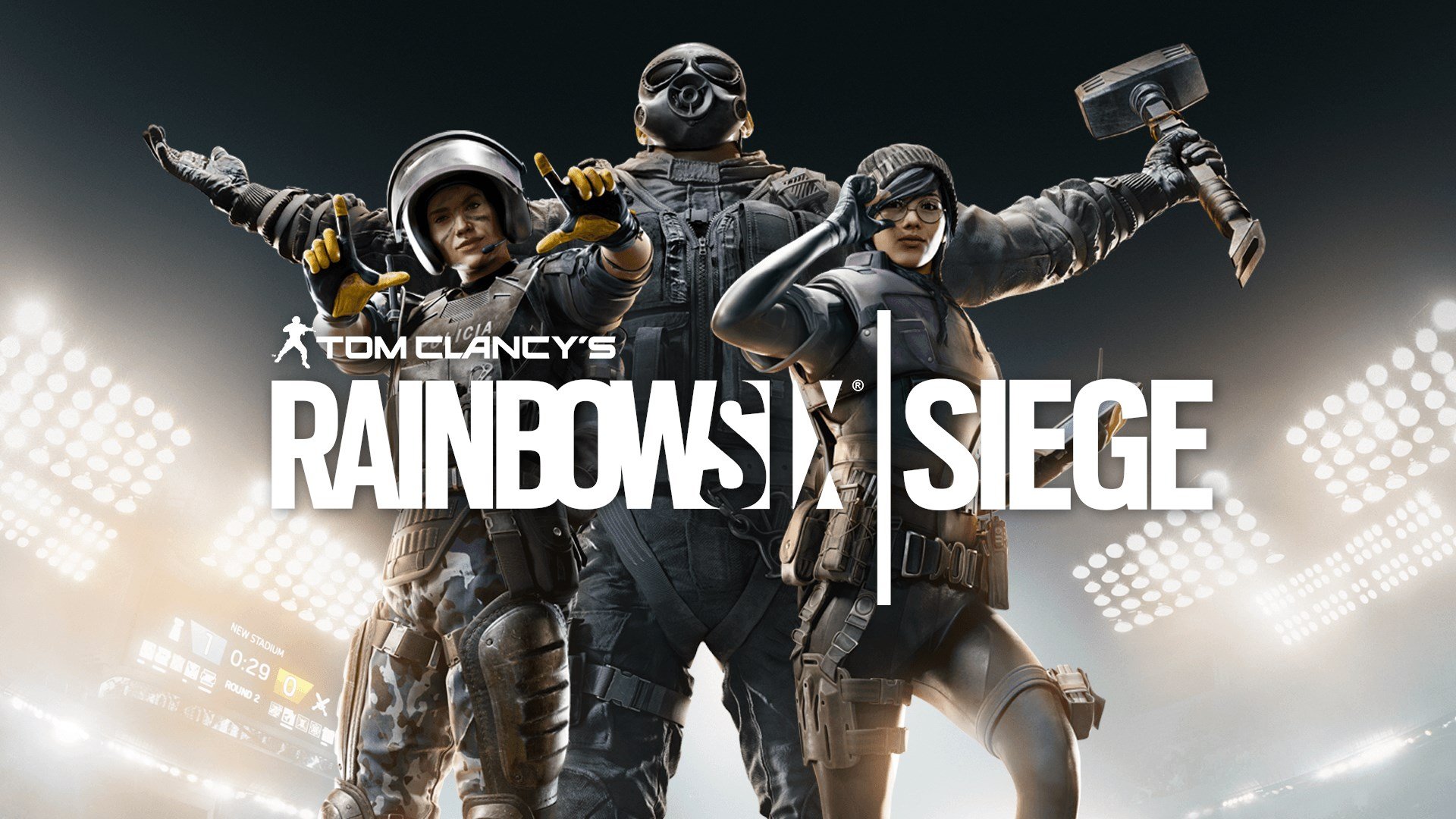
This event group covers a Rainbow Six Siege match between Black Dragons e-Sports and FaZe Clan in the South America League Stage 1 Group Stage, originally scheduled for July 12, 2026 at 1:15 PM ET. Both Polymarket and Kalshi have created prediction markets on the outcome of this best-of-one match.
PredictionHero - Resolution Divergence Alerts (RDA)
Divergence Detected
Issue: Kalshi market structure is logically incoherent: both possible match outcomes (FaZe Clan win and Black Dragons e-Sports win) are specified to resolve to Yes, leaving no valid resolution path for a No outcome and making the market fundamentally unresolvable as a binary contract.Hero tip: Do not trade Kalshi until the market creator clarifies the intended resolution logic. The current wording guarantees Yes resolution regardless of match outcome, which violates basic binary market semantics. Polymarket's market is well-structured and resolvable; prioritize it for trading.Critical divergence points:
- Polymarket: Resolves to the winning team name (Black Dragons e-Sports or FaZe Clan) if match is completed with a winner. Resolves 50-50 if canceled, ends in a tie, delayed beyond 7 days without a winner, or forfeited before start. Resolution source is Liquipedia with 2-hour fallback to credible reporting. This is a coherent binary outcome structure.
- Kalshi: Resolves to Yes if FaZe Clan wins the match. Also resolves to Yes if Black Dragons e-Sports wins the match. No resolution logic is provided for cancellation, tie, or other edge cases. This creates a logical impossibility where both mutually exclusive match outcomes map to the same Yes resolution.
Polymarket
This market refers to the Rainbow Six Siege match between Black Dragons e-Sports and FaZe Clan in the South America League Stage 1 Group Stage, initially scheduled for July 12 at 1:15PM ET. This market will resolve to "Black Dragons e-Sports" if Black Dragons e-Sports win the match against FaZe Clan. This market will resolve to "FaZe Clan" if FaZe Clan win the match against Black Dragons e-Sports. If the match is canceled (not played at all), ends in a tie, or is delayed beyond 7 days from the scheduled date without a winner determined, this market will resolve to 50-50. If the match begins but is not completed, and one team wins due to the opponent's forfeiture, disqualification, or walkover, this market will resolve to the team who wins. If the match ends in a forfeit, disqualification, or walkover (team withdraws before the start and the other wins automatically), this market will resolve to 50-50. The resolution source for this market will be official information from https://liquipedia.net/rainbowsix/Main_Page. However, if https://liquipedia.net/rainbowsix/Main_Page has not published final results within 2 hours after the event’s conclusion, a consensus of credible reporting may be used instead including video evidence. In cases where a team’s listed name includes minor discrepancies from the resolution source, this market will resolve based on the underlying real-world match rather than exact name matching. Recognizable abbreviations, alternate or erroneous spellings, sponsor tags, affiliate or academy designations, regional identifiers, and minor formatting differences will be treated as referring to the same team, provided the intended team can be clearly and uniquely identified within the relevant competition. If a listed team name has no reasonable connection to any participating team, or if it matches or could reasonably refer to another team in the same competition such that the intended team cannot be unambiguously determined, this market will resolve 50-50.
Kalshi
Resolution is determined by the outcome of the South America League Stage 1 2026 Rainbow Six Siege match between FaZe Clan and Black Dragons e-Sports scheduled for July 12, 2026 at 1:15 PM EDT. The market resolves to Yes for whichever team wins the match.
Frequently asked questions
Polymarket and Kalshi can show different implied probabilities for the same outcome because of liquidity, fee structure, participant mix, and how each venue defines the contract. Each platform attracts different trader demographics, liquidity pools, and settlement rules, which can create temporary price gaps. Polymarket's order-book model may price in longer-tail scenarios differently than Kalshi's binary structure. Regional user bases, fee schedules, and platform-specific incentives also influence how quickly new information is priced in. Arbitrage traders typically narrow these spreads, but during low-volume periods or around major catalyst windows, meaningful divergence can persist between the two venues.
Key catalysts include roster announcements, player substitutions, or injury updates for either team. Recent tournament performance, head-to-head records, and map pool strategy shifts can reshape trader conviction. Broadcast commentary, analyst predictions, and community sentiment on esports forums often precede price movement. Technical factors like server stability or patch changes to Rainbow Six Siege mechanics may also influence perceived team strength. Large trades or sudden volume spikes on either platform can trigger cascading repricing as other traders react to the new information flow.
%20scale(0.82)%20translate(-12.5%20-12.5)'%3e%3cpath%20fill='%23000'%20fill-rule='evenodd'%20d='M9.619%2012.69h12.995a1.382%201.382%200%200%200%200-2.76h-3.932l5.298-5.405.032-.032L22.08%202.56h-5.255V1.38c0-.76-.619-1.38-1.38-1.38H9.81c-.76%200-1.38.62-1.38%201.38V11.5c0%20.657.534%201.19%201.19%201.19m12.995-2.186h-5.3l5.89-6.01-1.139-1.139-5.813%205.933V1.38a.806.806%200%200%200-.805-.806.806.806%200%200%200-.805.806v9.545c0%20.656.533%201.19%201.189%201.19h6.783a.806.806%200%200%200%200-1.612'%20clip-rule='evenodd'/%3e%3cpath%20fill='%23000'%20fill-rule='evenodd'%20d='M14.393%2011.31H1.398a1.382%201.382%200%200%200%200%202.76H5.33L.032%2019.476%200%2019.507l1.931%201.933h5.255v1.18c0%20.76.619%201.38%201.379%201.38h5.638c.76%200%201.38-.62%201.38-1.38V12.5c0-.657-.534-1.19-1.19-1.19m.293%2011.31a.8.8%200%200%201-.788.805.797.797%200%200%201-.787-.805v-7.904l-5.69%205.928-1.113-1.139%205.764-6.005H6.884a.797.797%200%200%201-.787-.806c0-.444.353-.806.787-.806h6.638c.642%200%201.164.534%201.164%201.19z'%20clip-rule='evenodd'/%3e%3c/g%3e%3c/svg%3e)
