TOTAL VOLUME:
$116.9b
24H VOL:
$88,067,947
24H TRANSACTIONS:
1,362,287,844
OPEN INTEREST:
$1,161,040,920
337,797
Markets across
33,281
events
MATCHED EVENTS:
4,251
PLATFORM COVERAGE:
5
Polymarket:
42%
VS.
Kalshi:
58%
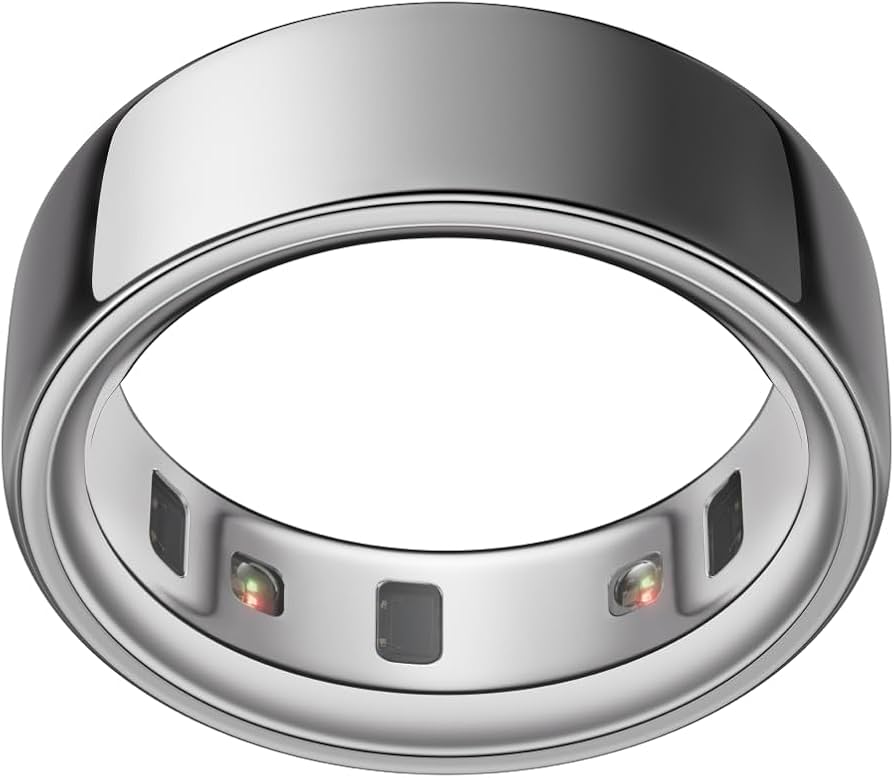
Oura IPO Closing Market Cap
$20B+
all
2 markets
Polymarket
29%
Predict
28.9%
consensus
29%
spread
28.9-29%
(0.1pp)
News
Positive
Negative
Neutral
Hover marker for details
Aug 20
Aug 21
Aug 23
Aug 24
Aug 25
Aug 26
Aug 27
Vol.
$10k
·
Resolves Jan 1, 2027
Latest in Financials

Will Oura's market cap be at least $20B at market close on IPO day?
$

Trade on Polymarket
At 29¢ buys you 345 shares | Odds: 28% Total Payout: $345 | Net Profit: $245 Multiplier: 3.45x | ROI: 245% High Projected APY: 3,408% 126 days to resolution
Trade on Predict
At 28.9¢ buys you 346 shares | Odds: 28% Total Payout: $346 | Net Profit: $246 Multiplier: 3.46x | ROI: 246% High Projected APY: 3,443% 126 days to resolution
Description
This event group tracks whether Oura's market capitalization at the close of its IPO day falls within specific price ranges or if the company fails to IPO before January 2027. Market cap is calculated as the number of shares outstanding multiplied by the closing share price on the first trading day.
PredictionHero - Resolution Divergence Alerts (RDA)
Unified Resolution Criteria (Consistent across platforms)
Both Polymarket and Predict use identical resolution logic for Oura's IPO market cap brackets and the No IPO before January 2027 conditionPrimary resolution logic: Primary exchange's official listing page, with alternative reliable sources as backupCore resolution logic:
- Market cap = shares outstanding × closing share price on first trading day
- If no IPO by December 31, 2026, resolve to No IPO before January 2027
- Exact midpoint between brackets resolves to higher range
- Use official closing price even for abbreviated trading sessions
Edge cases & clarifications:
- Trading Interruption: If normal session is interrupted, use official closing price of abbreviated session; if none, use next trading day's close as first day
- Missing Data: If primary exchange lacks data, use another reliable source
Polymarket
This market will resolve based on Oura's market capitalization at the closing price on its first day of trading. If no IPO occurs by December 31, 2026, 11:59 PM ET, the market will resolve to "No IPO before January 2027". Market capitalization expresses the monetary value of a company’s outstanding shares, stated in its pricing currency. It is calculated as the number of shares outstanding multiplied by the closing share price on the first trading day. If the relevant value falls exactly between two brackets, then this market will resolve to the higher range bracket. Resolution will be based on the primary exchange’s official listing page. In the event that the relevant figure is not displayed, another reliable source will be used. In the event of an interruption in the course of the normal trading session on Oura’s first day of trading (e.g., a circuit breaker or half-day), the market will resolve according to the official closing price of the abbreviated session. If no such official closing price is published, the market will resolve according to the next trading day on which an official closing price is published, treating that as the first day of trading for purposes of this market.
Predict
This market will resolve based on Oura's market capitalization at the closing price on its first day of trading. If no IPO occurs by December 31, 2026, 11:59 PM ET, the market will resolve to "No IPO before January 2027". Market capitalization expresses the monetary value of a company’s outstanding shares, stated in its pricing currency. It is calculated as the number of shares outstanding multiplied by the closing share price on the first trading day. If the relevant value falls exactly between two brackets, then this market will resolve to the higher range bracket. Resolution will be based on the primary exchange’s official listing page. In the event that the relevant figure is not displayed, another reliable source will be used. In the event of an interruption in the course of the normal trading session on Oura’s first day of trading (e.g., a circuit breaker or half-day), the market will resolve according to the official closing price of the abbreviated session. If no such official closing price is published, the market will resolve according to the next trading day on which an official closing price is published, treating that as the first day of trading for purposes of this market.
Frequently asked questions
On Polymarket, this market prices in probabilities that reflect trader sentiment, which can diverge from traditional analyst forecasts. Analysts often incorporate fundamentals, historical comparisons, and growth models, while prediction markets emphasize real-time betting activity and sentiment. For example, if analysts project a higher valuation but traders price a lower chance of that outcome, this market may show a lower probability for the analyst-favored range. Monitoring both sources helps identify where crowd wisdom and institutional views align or conflict.
On Polymarket and Predict, prices can vary due to differences in user bases, liquidity, and market design. Polymarket and Predict can show different implied probabilities for the same outcome because of liquidity, fee structure, participant mix, and how each venue defines the contract. For instance, one platform might attract more retail traders reacting quickly to news, while the other could have deeper institutional participation, leading to smoother price adjustments. Additionally, each venue sets its own fee structure and trading rules, which influence how odds evolve. As a result, Polymarket currently favors Will Oura's market cap be at least $20B at market close on IPO day? at 28.0%, while Predict leans toward Will Oura's market cap be at least $20B at market close on IPO day? at 27.9%.
This market resolves around Jan 1, 2027, with the outcome confirmed once the event is verifiable from credible public reporting. The final market cap is determined by the closing price of Oura shares on its IPO day, as reported by major financial news outlets and exchange data. Traders should watch for official market updates and reputable financial publications that publish the final valuation figure.
Key signals that could shift this market include earnings previews, analyst rating changes, media coverage of Oura’s business prospects, and macro trends affecting tech IPO valuations. Major news about partnerships, product launches, or regulatory developments may also influence trader sentiment. As the IPO date approaches, any shift in market conditions or investor appetite for tech stocks can cause rapid adjustments in probabilities.
'%3e%3ccircle%20cx='26'%20cy='26'%20r='26'%20fill='%23000'/%3e%3cpath%20fill='%23fff'%20d='M27.6629%2037.9855L31.004%2037.6925L32.1989%2051.3689C33.72%2051.027%2035.2073%2050.5486%2036.6425%2049.9395V37.8085H40.7697V47.7178C42.4942%2046.577%2044.0775%2045.236%2045.4865%2043.7226L46.0172%2037.6591L49.5548%2037.9678C51.5707%2034.0725%2052.5697%2029.7306%2052.4591%2025.3456C52.3484%2020.9605%2051.1317%2016.6746%2048.9219%2012.886L48.7903%2014.392L44.6631%2014.0303L45.1937%207.97067C43.8569%206.58147%2042.3706%205.34447%2040.7619%204.28222V14.2406H36.6347V2.06247C34.8743%201.313%2033.0358%200.762345%2031.1533%200.420753L32.3463%2014.0637L29.0052%2014.3566L27.7513%200.0314647C27.3308%200.0118035%2026.9062%200%2026.4817%200C24.8262%204.44017e-06%2023.1745%200.157349%2021.5487%200.469906L23.9072%2013.8985L21.364%2014.3468L19.0253%201.0853C16.8454%201.73668%2014.7611%202.67345%2012.8266%203.87129L15.4601%2013.7019L13.4634%2014.2387L11.0146%205.09226C9.12509%206.49278%207.43337%208.1422%205.98527%209.99577L7.26077%2013.5014L5.80446%2014.0322L4.88665%2011.5097C3.41845%2013.6953%202.29182%2016.092%201.54558%2018.6172L1.95829%2018.4678L7.2647%2033.0387L5.80839%2033.5696L1.06407%2020.5303C-0.0225105%2025.6016%200.430464%2030.8821%202.36486%2035.6941C4.29926%2040.5061%207.62683%2044.6301%2011.9206%2047.5369L9.45605%2038.3355L11.4528%2037.7987L14.4677%2049.0567C16.5333%2050.1354%2018.7355%2050.9291%2021.0142%2051.4161L18.6892%2038.1605L21.2343%2037.7122L23.7283%2051.8683C24.6462%2051.9654%2025.5686%2052.014%2026.4916%2052.0138C27.2954%2052.0138%2028.0933%2051.9764%2028.8795%2051.9037L27.6629%2037.9855Z'%20/%3e%3cpath%20fill='%23000'%20d='M46.0368%2018.1276L50.1542%2018.4875L48.804%2033.9372L44.6768%2033.5774L46.0368%2018.1276ZM36.6484%2018.279H40.7756V33.7858H36.6484V18.279ZM31.0099%2018.1611L32.3601%2033.6109L29.019%2033.9038L27.6668%2018.454L31.0099%2018.1611ZM13.481%2033.7898L9.4698%2018.8099L11.4666%2018.2751L15.4778%2033.2452L13.481%2033.7898ZM21.3817%2033.892L18.6892%2018.6211L21.2343%2018.1729L23.9248%2033.4418L21.3817%2033.892Z'%20/%3e%3c/g%3e%3c/svg%3e)
%20scale(0.82)%20translate(-12.5%20-12.5)'%3e%3cpath%20fill='%23000'%20fill-rule='evenodd'%20d='M9.619%2012.69h12.995a1.382%201.382%200%200%200%200-2.76h-3.932l5.298-5.405.032-.032L22.08%202.56h-5.255V1.38c0-.76-.619-1.38-1.38-1.38H9.81c-.76%200-1.38.62-1.38%201.38V11.5c0%20.657.534%201.19%201.19%201.19m12.995-2.186h-5.3l5.89-6.01-1.139-1.139-5.813%205.933V1.38a.806.806%200%200%200-.805-.806.806.806%200%200%200-.805.806v9.545c0%20.656.533%201.19%201.189%201.19h6.783a.806.806%200%200%200%200-1.612'%20clip-rule='evenodd'/%3e%3cpath%20fill='%23000'%20fill-rule='evenodd'%20d='M14.393%2011.31H1.398a1.382%201.382%200%200%200%200%202.76H5.33L.032%2019.476%200%2019.507l1.931%201.933h5.255v1.18c0%20.76.619%201.38%201.379%201.38h5.638c.76%200%201.38-.62%201.38-1.38V12.5c0-.657-.534-1.19-1.19-1.19m.293%2011.31a.8.8%200%200%201-.788.805.797.797%200%200%201-.787-.805v-7.904l-5.69%205.928-1.113-1.139%205.764-6.005H6.884a.797.797%200%200%201-.787-.806c0-.444.353-.806.787-.806h6.638c.642%200%201.164.534%201.164%201.19z'%20clip-rule='evenodd'/%3e%3c/g%3e%3c/svg%3e)