TOTAL VOLUME:
$101.5b
24H VOL:
$117,286,266
24H TRANSACTIONS:
1,015,882,687
OPEN INTEREST:
$1,134,979,110
181,986
Markets across
18,067
events
MATCHED EVENTS:
1,273
PLATFORM COVERAGE:
5
Polymarket:
44%
VS.
Kalshi:
56%
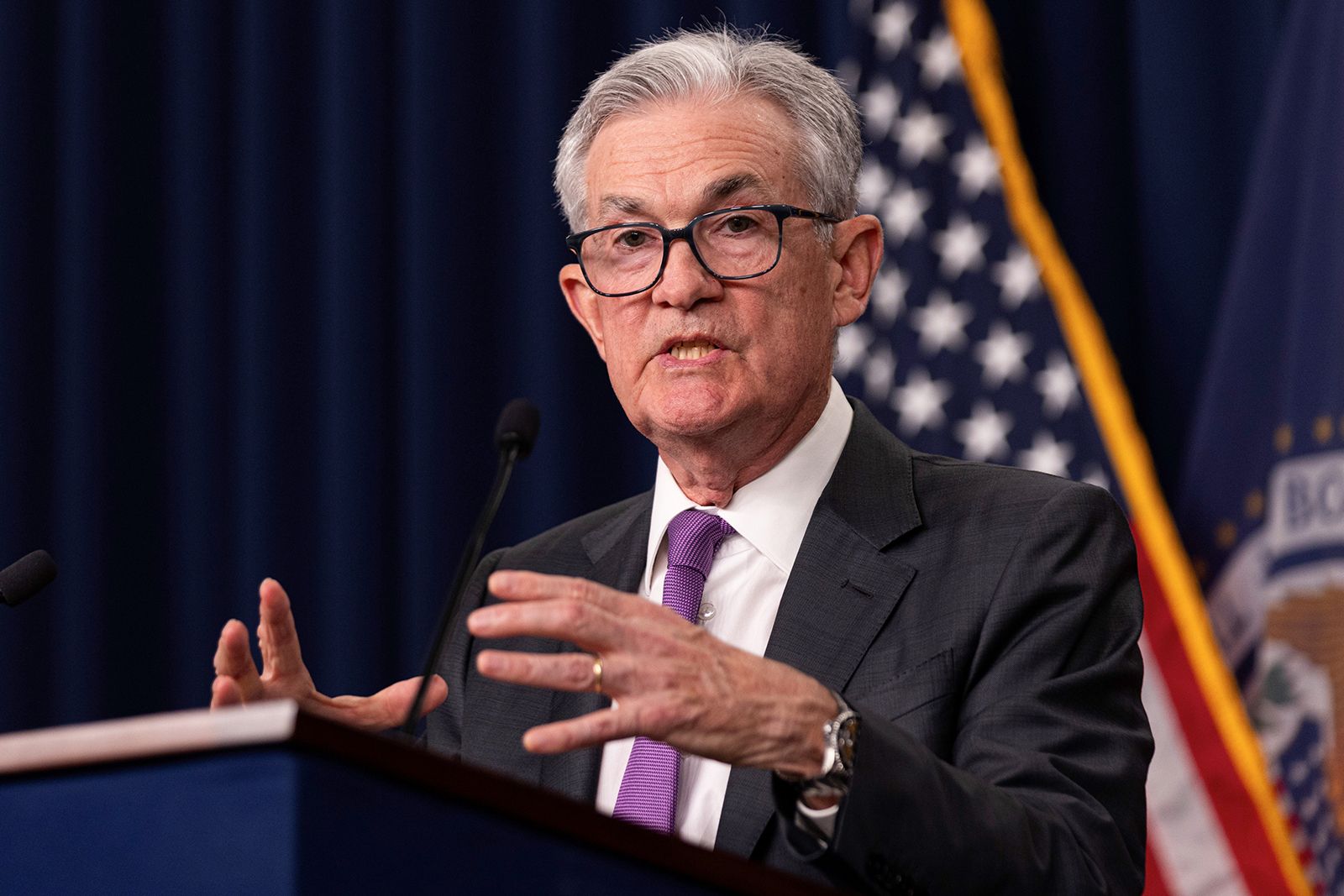
How many dissent at the July Fed meeting?



Time left: 07d:05h:32m
Will no one dissent the July Fed decision?
$
$20
$50
$100
$500
Trade on Polymarket
At 36¢ buys you 278 shares | Odds: 36% Total Payout: $278 | Net Profit: $178 Multiplier: 2.78x | ROI: 178% APY not meaningful 7 days to resolutionTrade on Kalshi
Join Kalshi and score $25 for your first trade.At 100¢ buys you 100 shares | Odds: 100% Total Payout: $100 | Net Profit: $0 Multiplier: 1.00x | ROI: 0% | APY: N/ADescription
This event group tracks the number of dissenting votes at the July 2026 Federal Open Market Committee (FOMC) monetary policy meeting on the Fed Funds Rate decision. Markets across platforms are betting on specific dissent counts (0, 1, 2, 3, or 4+), with resolution tied to the official FOMC statement.
PredictionHero - Resolution Divergence Alerts (RDA)
Divergence Detected
Issue: Meeting date mismatch creates two separate resolution events. Kalshi resolves on June 17, 2026 FOMC meeting; Polymarket resolves on July 28-29, 2026 FOMC meeting. These are distinct scheduled meetings and will produce independent dissent data.Hero tip: This divergence is not a minor timing difference—it is a fundamental split in which real-world event triggers settlement. Before trading, confirm which meeting date matches your thesis. Kalshi traders are exposed to June dissent outcomes; Polymarket traders are exposed to July dissent outcomes. Do not cross-hedge between platforms assuming they track the same event.Critical divergence points:
- Kalshi: All dissent counts (0, 1, 2, 3, 4) resolve to Yes on the June 17, 2026 FOMC meeting. The market structure is a catch-all: any outcome resolves affirmatively. Quote: 'If there are exactly [0/1/2/3/4] dissenting votes at the next scheduled FOMC meeting (scheduled for June 17, 2026), then the market resolves to Yes.'
- Polymarket: Five separate binary markets track dissent counts (0, 1, 2, 3, 4+) at the July 28-29, 2026 FOMC meeting. Only one outcome resolves to Yes per market. Quote: 'This market will resolve according to the number of dissenting votes recorded at the July Federal Open Market Committee monetary policy meeting... scheduled for July 28-29, 2026.'
Polymarket
The July Federal Open Market Committee (FOMC) meeting is scheduled for July 28-29, 2026. The policy decision will be announced at 2:00 PM Eastern Time on July 29, followed by the Fed Chair’s press conference at around 2:30 PM ET. This market will resolve according to the number of dissenting votes recorded at the July Federal Open Market Committee monetary policy meeting, specifically those dissenting on the Fed Funds Rate decision. The resolution source for this market is the FOMC’s statement after its meeting scheduled for July 28-29, 2026, according to the official calendar: https://www.federalreserve.gov/monetarypolicy/fomccalendars.htm. This market may resolve as soon as the FOMC’s statement for their July meeting with relevant data is issued; however, a consensus of credible reporting will also be used.
Kalshi
This event tracks the exact number of dissenting votes at the June 17, 2026 FOMC meeting. Possible outcomes range from zero dissents to four dissents. Each outcome is mutually exclusive; the market will resolve to the outcome matching the official count of dissenting votes recorded in the FOMC's meeting minutes and public announcement.
Frequently asked questions
Polymarket and Kalshi can show different implied probabilities for the same outcome because of liquidity, fee structure, participant mix, and how each venue defines the contract. Each platform operates under distinct market-making rules, liquidity pools, and user bases, which can create temporary price gaps. Kalshi's order-book structure and Polymarket's automated market maker design handle large trades differently, affecting how quickly prices adjust to new information. Additionally, different trader demographics and risk appetites on each venue may value dissent outcomes unevenly. These spreads typically narrow as arbitrageurs exploit the gap, but during low-liquidity windows or after major Fed communications, meaningful divergence can persist.
This market resolves around Jul 29, 2026, once the July Federal Reserve meeting concludes and official dissent counts are publicly announced. The outcome is confirmed through credible public reporting of the Fed's policy decision and voting record. Traders holding positions aligned with the actual dissent total will receive payouts proportional to their stake, while misaligned positions expire worthless. The resolution hinges entirely on the verifiable, official dissent figure released by the Federal Reserve.
Economic data releases—particularly inflation reports, employment figures, and GDP growth—can shift expectations about Fed hawkishness and internal disagreement. Speeches or public comments by individual Fed governors telegraphing dissent risk will reprice this market sharply. Changes in market interest rates, equity volatility, or recession signals may also prompt traders to revise dissent odds upward or downward. Finally, any surprise policy pivot or guidance shift from Fed leadership in the weeks before the July meeting could trigger rapid repricing as traders reassess the likelihood of internal divisions.
'%3e%3ccircle%20cx='26'%20cy='26'%20r='26'%20fill='%23000'/%3e%3cpath%20fill='%23fff'%20d='M27.6629%2037.9855L31.004%2037.6925L32.1989%2051.3689C33.72%2051.027%2035.2073%2050.5486%2036.6425%2049.9395V37.8085H40.7697V47.7178C42.4942%2046.577%2044.0775%2045.236%2045.4865%2043.7226L46.0172%2037.6591L49.5548%2037.9678C51.5707%2034.0725%2052.5697%2029.7306%2052.4591%2025.3456C52.3484%2020.9605%2051.1317%2016.6746%2048.9219%2012.886L48.7903%2014.392L44.6631%2014.0303L45.1937%207.97067C43.8569%206.58147%2042.3706%205.34447%2040.7619%204.28222V14.2406H36.6347V2.06247C34.8743%201.313%2033.0358%200.762345%2031.1533%200.420753L32.3463%2014.0637L29.0052%2014.3566L27.7513%200.0314647C27.3308%200.0118035%2026.9062%200%2026.4817%200C24.8262%204.44017e-06%2023.1745%200.157349%2021.5487%200.469906L23.9072%2013.8985L21.364%2014.3468L19.0253%201.0853C16.8454%201.73668%2014.7611%202.67345%2012.8266%203.87129L15.4601%2013.7019L13.4634%2014.2387L11.0146%205.09226C9.12509%206.49278%207.43337%208.1422%205.98527%209.99577L7.26077%2013.5014L5.80446%2014.0322L4.88665%2011.5097C3.41845%2013.6953%202.29182%2016.092%201.54558%2018.6172L1.95829%2018.4678L7.2647%2033.0387L5.80839%2033.5696L1.06407%2020.5303C-0.0225105%2025.6016%200.430464%2030.8821%202.36486%2035.6941C4.29926%2040.5061%207.62683%2044.6301%2011.9206%2047.5369L9.45605%2038.3355L11.4528%2037.7987L14.4677%2049.0567C16.5333%2050.1354%2018.7355%2050.9291%2021.0142%2051.4161L18.6892%2038.1605L21.2343%2037.7122L23.7283%2051.8683C24.6462%2051.9654%2025.5686%2052.014%2026.4916%2052.0138C27.2954%2052.0138%2028.0933%2051.9764%2028.8795%2051.9037L27.6629%2037.9855Z'%20/%3e%3cpath%20fill='%23000'%20d='M46.0368%2018.1276L50.1542%2018.4875L48.804%2033.9372L44.6768%2033.5774L46.0368%2018.1276ZM36.6484%2018.279H40.7756V33.7858H36.6484V18.279ZM31.0099%2018.1611L32.3601%2033.6109L29.019%2033.9038L27.6668%2018.454L31.0099%2018.1611ZM13.481%2033.7898L9.4698%2018.8099L11.4666%2018.2751L15.4778%2033.2452L13.481%2033.7898ZM21.3817%2033.892L18.6892%2018.6211L21.2343%2018.1729L23.9248%2033.4418L21.3817%2033.892Z'%20/%3e%3c/g%3e%3c/svg%3e)

Follow the signals, not the noise
Get insights on market conviction, notable shifts, and what the data is quietly signaling.