TOTAL VOLUME:
$102.5b
24H VOL:
$158,675,475
24H TRANSACTIONS:
1,043,702,062
OPEN INTEREST:
$1,257,701,720
207,016
Markets across
19,910
events
MATCHED EVENTS:
1,307
PLATFORM COVERAGE:
5
Polymarket:
44%
VS.
Kalshi:
56%
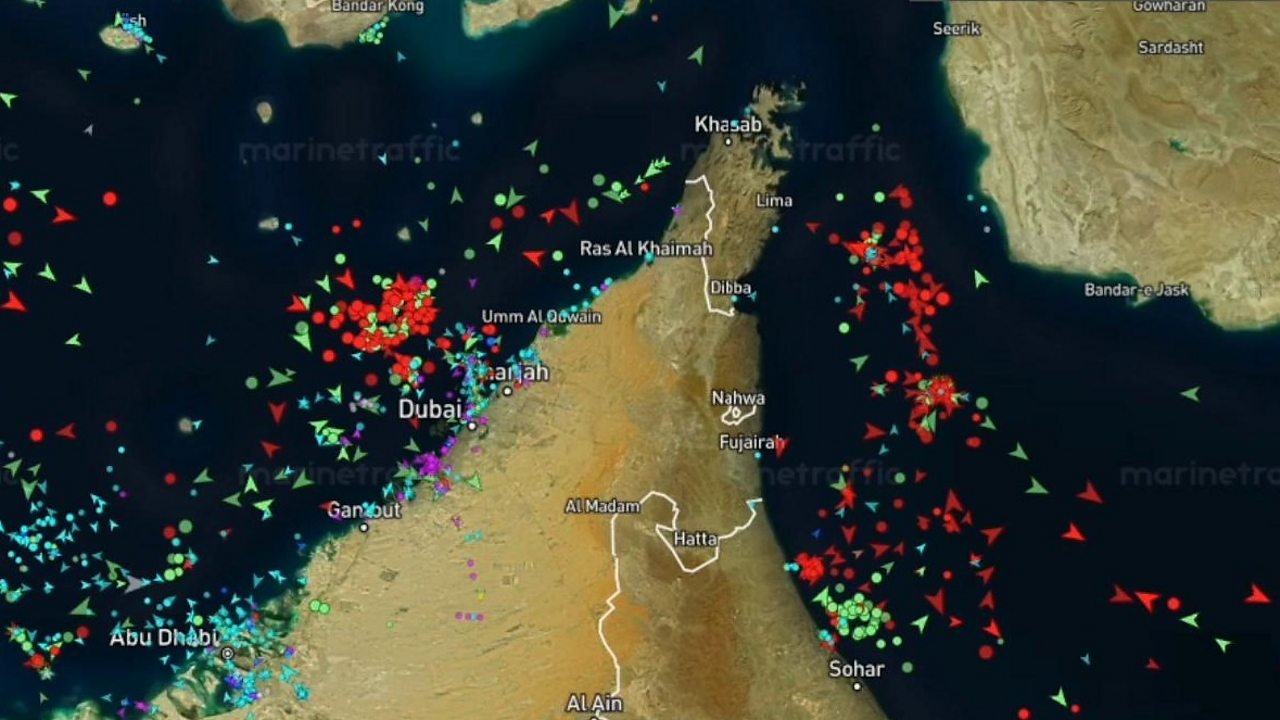
0 ships transit Hormuz on any date by..?


Latest in Economics

Time left: 07d:02h:22m
0 ships transit Hormuz on any date by July 31?
$
$20
$50
$100
$500
Intro
This market tracks whether zero ships will transit the Strait of Hormuz on any date by July 31, according to IMF PortWatch data. On Polymarket, the current probability of the leading outcome is 11.2%. The resolution source is IMF PortWatch transit calls data for the Strait of Hormuz. Watch for the market to resolve following the publication of daily transit call numbers through the specified period ending on July 31, 2026.
Polymarket
This market will resolve to “Yes” if IMF PortWatch publishes a daily number of transit calls (“Arrivals of Ships”) for the Strait of Hormuz equal to 0 for any date between June 26 and the specified date, 2026. Otherwise, this market will resolve to “No." Transit calls include container, dry bulk, roll-on/roll-off, general cargo, and tanker ships. Ships not reported by IMF PortWatch will not be considered. This market will resolve as soon as IMF PortWatch publishes a daily number of transit calls equal to 0, or once complete data has been published for the specified period without such a publication. If complete data for the specified period has not been published within 28 calendar days of the end of the specified period, this market will resolve based on data published up to that point. In case of obvious data integrity issues (i.e., erroneous data), the market may remain open until the end of the third calendar day (ET) after the date on which such data is first released to allow for corrections. Data integrity issues refer only to clerical or other similar errors in the underlying data, and do not include cases where IMF PortWatch differs from alternative sources. Revisions to previously published data points made within this market’s timeframe will be considered. However, they will not disqualify a previously published data point from qualifying except in the case of data integrity issues. The resolution source for this market will be IMF PortWatch, specifically the transit calls data published for the Strait of Hormuz at https://portwatch.imf.org/pages/cb5856222a5b4105adc6ee7e880a1730, both in the chart and through downloadable files.
Frequently asked questions
Prediction market odds often diverge from traditional analyst forecasts because traders incorporate real-time information and face direct financial incentives to price outcomes accurately. While energy analysts and geopolitical experts may publish periodic assessments of Hormuz transit risk, this market continuously updates as new developments emerge—sanctions announcements, military posturing, or diplomatic breakthroughs. Traders betting real capital tend to react faster than consensus reports, making the odds a dynamic alternative to static forecasts. However, both sources reflect underlying uncertainty; comparing them reveals where the market sees asymmetric risk relative to expert opinion.
On Polymarket, traders set the odds through an automated market maker that adjusts prices based on buy and sell volume. On Polymarket, prices reflect that venue's order book, liquidity, and how traders price the outcome right now. The probability displayed represents the current consensus price—higher percentages indicate stronger trader conviction that zero ships will transit Hormuz by the deadline. As new information surfaces or positions shift, the price updates in real time, allowing participants to enter or exit at prevailing rates. This continuous repricing mechanism ensures the market reflects the latest available intelligence about geopolitical risk and shipping logistics.
This market resolves around Jul 31, 2026, with the outcome confirmed once the event is verifiable from credible public reporting. The resolution hinges on whether any commercial vessels successfully transit the Strait of Hormuz between now and that deadline. Traders should monitor shipping data, maritime authorities, and geopolitical developments that could either enable or prevent passage. The binary outcome—zero ships or at least one ship transiting—will be determined by observable maritime activity during the resolution window.
Major catalysts include military escalations or de-escalations in the region, new sanctions regimes, diplomatic breakthroughs, or formal blockade declarations by regional powers. Shipping insurance rates, tanker positioning, and port activity in the Gulf provide early signals of trader expectations. Announcements from the U.S., Iran, or Gulf Cooperation Council states often trigger sharp repricing. Additionally, accidents, technical disruptions, or unexpected policy reversals could shift the odds significantly. Traders should monitor geopolitical news, energy markets, and maritime intelligence closely, as this market is highly sensitive to both headline risk and underlying fundamentals affecting regional stability.

'%3e%3ccircle%20cx='26'%20cy='26'%20r='26'%20fill='%23000'/%3e%3cpath%20fill='%23fff'%20d='M27.6629%2037.9855L31.004%2037.6925L32.1989%2051.3689C33.72%2051.027%2035.2073%2050.5486%2036.6425%2049.9395V37.8085H40.7697V47.7178C42.4942%2046.577%2044.0775%2045.236%2045.4865%2043.7226L46.0172%2037.6591L49.5548%2037.9678C51.5707%2034.0725%2052.5697%2029.7306%2052.4591%2025.3456C52.3484%2020.9605%2051.1317%2016.6746%2048.9219%2012.886L48.7903%2014.392L44.6631%2014.0303L45.1937%207.97067C43.8569%206.58147%2042.3706%205.34447%2040.7619%204.28222V14.2406H36.6347V2.06247C34.8743%201.313%2033.0358%200.762345%2031.1533%200.420753L32.3463%2014.0637L29.0052%2014.3566L27.7513%200.0314647C27.3308%200.0118035%2026.9062%200%2026.4817%200C24.8262%204.44017e-06%2023.1745%200.157349%2021.5487%200.469906L23.9072%2013.8985L21.364%2014.3468L19.0253%201.0853C16.8454%201.73668%2014.7611%202.67345%2012.8266%203.87129L15.4601%2013.7019L13.4634%2014.2387L11.0146%205.09226C9.12509%206.49278%207.43337%208.1422%205.98527%209.99577L7.26077%2013.5014L5.80446%2014.0322L4.88665%2011.5097C3.41845%2013.6953%202.29182%2016.092%201.54558%2018.6172L1.95829%2018.4678L7.2647%2033.0387L5.80839%2033.5696L1.06407%2020.5303C-0.0225105%2025.6016%200.430464%2030.8821%202.36486%2035.6941C4.29926%2040.5061%207.62683%2044.6301%2011.9206%2047.5369L9.45605%2038.3355L11.4528%2037.7987L14.4677%2049.0567C16.5333%2050.1354%2018.7355%2050.9291%2021.0142%2051.4161L18.6892%2038.1605L21.2343%2037.7122L23.7283%2051.8683C24.6462%2051.9654%2025.5686%2052.014%2026.4916%2052.0138C27.2954%2052.0138%2028.0933%2051.9764%2028.8795%2051.9037L27.6629%2037.9855Z'%20/%3e%3cpath%20fill='%23000'%20d='M46.0368%2018.1276L50.1542%2018.4875L48.804%2033.9372L44.6768%2033.5774L46.0368%2018.1276ZM36.6484%2018.279H40.7756V33.7858H36.6484V18.279ZM31.0099%2018.1611L32.3601%2033.6109L29.019%2033.9038L27.6668%2018.454L31.0099%2018.1611ZM13.481%2033.7898L9.4698%2018.8099L11.4666%2018.2751L15.4778%2033.2452L13.481%2033.7898ZM21.3817%2033.892L18.6892%2018.6211L21.2343%2018.1729L23.9248%2033.4418L21.3817%2033.892Z'%20/%3e%3c/g%3e%3c/svg%3e)

Follow the signals, not the noise
Get insights on market conviction, notable shifts, and what the data is quietly signaling.