TOTAL VOLUME:
$114.1b
24H VOL:
$145,659,050
24H TRANSACTIONS:
1,307,417,995
OPEN INTEREST:
$1,157,167,594
322,140
Markets across
31,472
events
MATCHED EVENTS:
2,914
PLATFORM COVERAGE:
5
Polymarket:
42%
VS.
Kalshi:
58%

Democratic party
- Kalshi
Democratic party - Kalshi
52%
1W
News
Positive
Negative
Neutral
Hover marker for details
Aug 13
Aug 14
Aug 16
Aug 17
Aug 18
Aug 19
Aug 20
Vol.
$5.2k
·
Resolves Jan 4, 2027
Latest in Elections






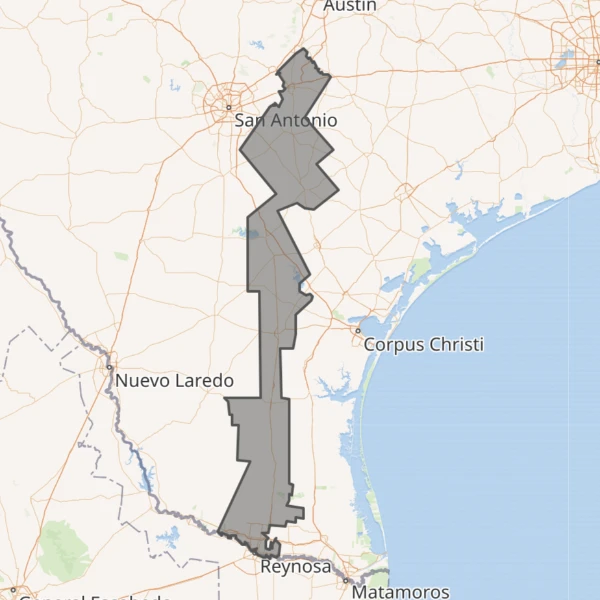
Will Democratic win the House race for TX-15?
$
Intro
This market tracks whether the Democratic or Republican party will win the House race for Texas's 15th district for the term beginning in 2027 on Kalshi, resolving based on the party affiliation of the representative sworn in. The current probability of a Democratic win stands at 58.0%, with the Republican alternative at 43.0%. The final outcome will be determined by the party of the representative sworn in on 2027-01-04, the date representatives are expected to take office for the new term.
Kalshi
The market resolves based on the party affiliation of the House member sworn in for TX-15 for the term beginning in 2027. Resolution occurs when the elected representative takes office, with outcomes determined by whether that member belongs to the Democratic Party or the Republican Party.
Frequently asked questions
Prediction market odds on Kalshi often diverge from traditional polling because traders incorporate a broader information set, including fundraising data, turnout models, and real-time campaign developments. While polls capture voter preference at a single moment, prediction markets reflect dynamic expectations and incentivize accuracy through financial stakes. For TX-15, market participants may weight recent campaign events or demographic shifts differently than pollsters. Comparing Kalshi odds to published polling averages reveals whether traders are pricing in factors polls may lag on, offering a complementary lens on the race outcome.
On Kalshi, the TX-15 House race is priced as a binary contract where traders buy or sell shares representing Democratic or Republican victory. On Kalshi, prices reflect that venue's order book, liquidity, and how traders price the outcome right now. The top outcome currently reflects a 52.0% implied probability for a Democratic win, meaning the market is pricing Republican victory at the inverse. Prices move continuously as traders place orders, with each contract settled at either $0 or $1 upon resolution. Volume and bid-ask spreads indicate liquidity; tighter spreads suggest higher confidence and easier entry or exit for position adjustments.
The TX-15 House winner market resolves on Jan 4, 2027, following the general election date for U.S. House races. Resolution is determined by the official result certified by Texas election authorities for House District 15. Once the winning candidate is confirmed, the contract settles: holders of the winning outcome receive $1 per share, while the losing outcome expires at $0. Early or mail-in vote counts, provisional ballots, and any recounts are factored into the final official determination before market settlement occurs.
Key catalysts for TX-15 odds movement include candidate debate performances, major endorsements, fundraising reports, and local media coverage of campaign issues. Demographic shifts or voter registration changes in the district can reshape market expectations. National political events—such as shifts in party momentum or high-profile legislative votes—often ripple into district-level races. Polling releases, especially from reputable firms, frequently trigger repricing. Unexpected candidate statements, opposition research, or campaign controversies can also swing sentiment. Turnout models and early voting data in the final weeks typically drive the largest price adjustments as election day approaches.
