TOTAL VOLUME:
$143.5b
24H VOL:
$195,145,316
24H TRANSACTIONS:
2,692,168,434
OPEN INTEREST:
$1,731,064,451
482,647
Markets across
36,631
events
MATCHED EVENTS:
2,924
PLATFORM COVERAGE:
5
Polymarket:
38%
VS.
Kalshi:
62%



Oklahoma City
all
3 markets
Kalshi
Predict
Polymarket
consensus
News
Positive
Negative
Neutral
Hover marker for details
Vol.
·
Resolves Jul 1, 2027
Latest in Sports


Will Oklahoma City win the Pro Basketball Western Conference Finals in the 2026-27 season?
$

Intro
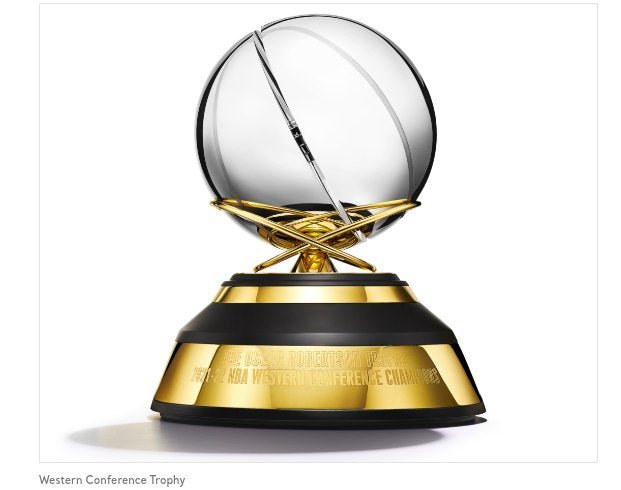
This market tracks the probability of which team will win the 2027 NBA Western Conference Finals. Currently, the consensus probability that the LA Clippers will be the 2027 NBA Western Conference Champion is 99.8%. This aggregate reflects predictions from Polymarket, Kalshi, and Predict, and will resolve based on Official NBA results, supported by credible reporting consensus. Keep an eye on the start of the 2027 NBA Playoffs, scheduled to begin in April 2027, as early results will begin to confirm or challenge this strong expectation.
PredictionHero - Resolution Divergence Alerts (RDA)
Unified Resolution Criteria (Consistent across platforms)
All platforms agree on resolution criteria: Yes if listed team wins the Western Conference Finals, No if eliminated, Other if season cancelled or no winner declared by June 30, 2027.Primary resolution logic: Official NBA results, supported by credible reporting consensusCore resolution logic:
- If the listed team wins the Western Conference Finals, the market resolves to Yes
- If the listed team is eliminated before the Finals, the market resolves to No
- If the season is cancelled, postponed after June 30, 2027, or no winner is declared within that timeframe, the market resolves to Other
Edge cases & clarifications:
- Season Cancellation: If the 2027 NBA season is cancelled, postponed after June 30, 2027, 11:59 PM ET, or there is otherwise no winner declared within that timeframe, all markets resolve to Other
- Team Elimination: If at any point it becomes impossible for a listed team to win the Western Conference Finals (e.g., they are eliminated in the playoffs), the corresponding market resolves to No
Polymarket
This market will resolve according to the team that wins the Western Conference Finals for the 2027 NBA Playoffs. If at any point it becomes impossible for a listed team to win the 2027 Western Conference Finals per the rules of NBA (e.g., they are eliminated in the playoffs), the corresponding market will resolve to “No”. If the 2027 NBA season is cancelled, postponed after June 30, 2027, 11:59 PM ET, or there is otherwise no winner declared within that timeframe, this market will resolve to “Other”. The primary resolution source will be official information from NBA; however, a consensus of credible reporting may also be used.
Kalshi
The Pro Basketball Western Conference Champion for the 2026-27 season is determined by which team wins the Western Conference Finals. Any of the fifteen eligible teams—Dallas, Denver, Houston, Los Angeles Lakers, Los Angeles Clippers, Memphis, Minnesota, New Orleans, Oklahoma City, Phoenix, Portland, Sacramento, Utah, San Antonio, or Golden State—may advance through their conference bracket to claim the Western Conference title. The resolution is based solely on the official outcome of the Western Conference Finals playoff series conducted during the 2026-27 NBA season.
Predict
This market will resolve according to the team that wins the Western Conference Finals for the 2027 NBA Playoffs. If at any point it becomes impossible for a listed team to win the 2027 Western Conference Finals per the rules of NBA (e.g., they are eliminated in the playoffs), the corresponding market will resolve to “No”. If the 2027 NBA season is cancelled, postponed after June 30, 2027, 11:59 PM ET, or there is otherwise no winner declared within that timeframe, this market will resolve to “Other”. The primary resolution source will be official information from NBA; however, a consensus of credible reporting may also be used.
Frequently asked questions
Prediction market odds on this market often diverge from traditional sportsbook lines due to different participant dynamics and data inputs. On Polymarket and Kalshi, prices reflect crowd-sourced forecasts that can react faster to new information, such as player injuries or coaching changes. Meanwhile, sportsbooks may incorporate additional adjustments or public betting patterns, typically showing a spread difference of around 0.5 between the two types of odds.
On Polymarket and Kalshi, prices can vary because each platform attracts distinct user bases and liquidity profiles. Polymarket and Kalshi can show different implied probabilities for the same outcome because of liquidity, fee structure, participant mix, and how each venue defines the contract. For instance, one venue might see heavier participation from sharp bettors reacting quickly to news, while the other could be influenced more by retail interest. These differences in trader behavior and information flow often produce divergent implied probabilities, even though both markets reference the same real-world result.
This market resolves around Jul 1, 2027, with the outcome confirmed once the event is verifiable from credible public reporting. The winner is determined by official NBA results at the end of the 2026–27 playoff season, specifically the team that captures the Western Conference championship after a best-of-seven series. No internal platform mechanisms define the result—only publicly recorded outcomes matter.
