TOTAL VOLUME:
$134.2b
24H VOL:
$126,324,530
24H TRANSACTIONS:
2,388,728,490
OPEN INTEREST:
$1,434,646,834
406,019
Markets across
30,401
events
MATCHED EVENTS:
2,689
PLATFORM COVERAGE:
5
Polymarket:
39%
VS.
Kalshi:
61%
December 31
- Polymarket
December 31 - Polymarket
1W
News
Positive
Negative
Neutral
Hover marker for details
Vol.
·
Resolved Sep 23, 2026
Closed: Sep 23, 12:05 PM EST

Polymarket
Description
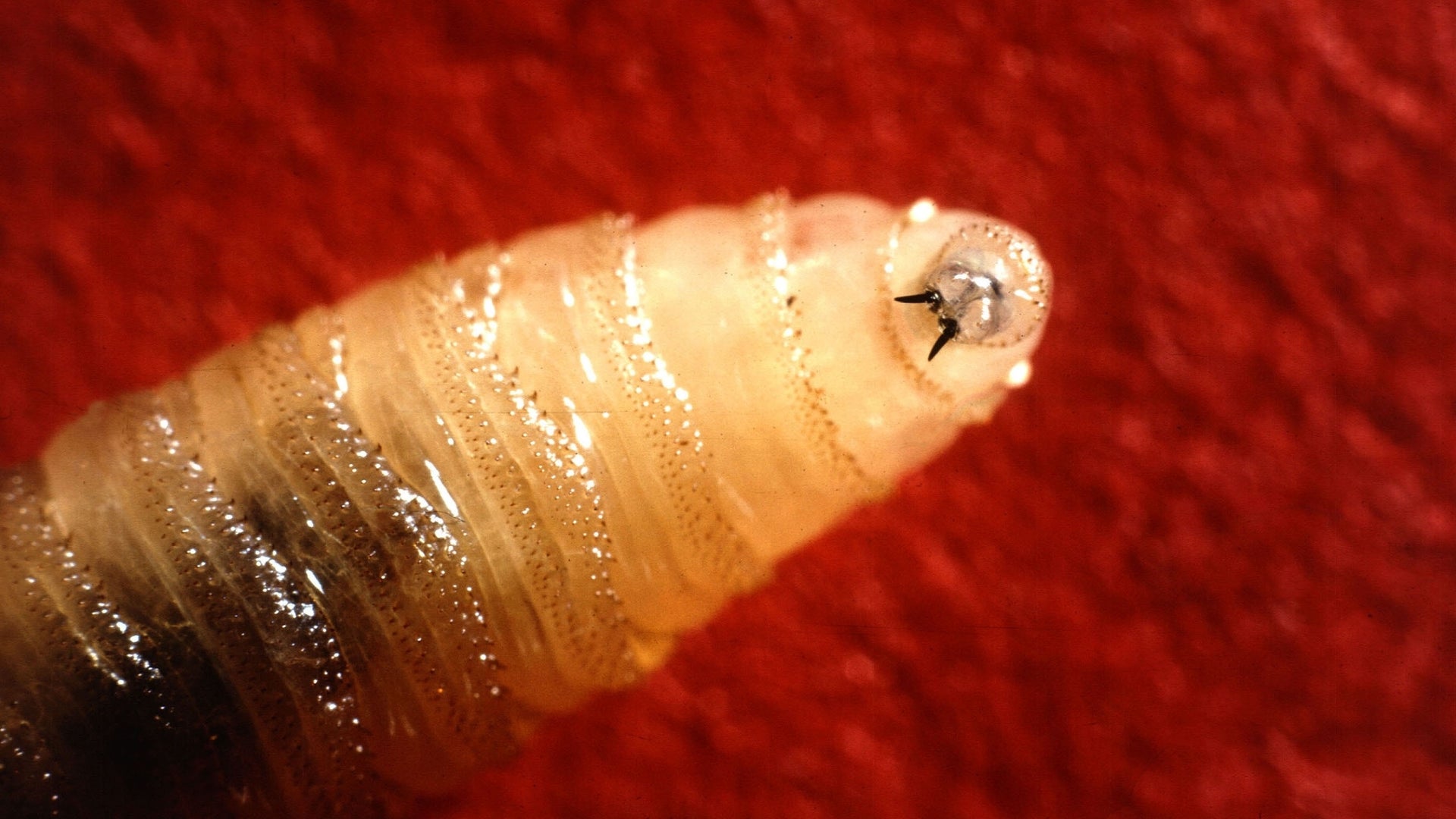
This market will resolve to "Yes" if there is a case of Screwworm in any livestock animal in a state of the United States other than Texas confirmed between market creation and the specified date at 11:59 PM ET. Otherwise, this market will resolve to "No". Any laboratory-confirmed screwworm infection identified within a U.S. state other than Texas will qualify, regardless of where exposure or symptom onset occurred. The primary resolution source for this market will be official government information (e.g., the CDC or USDA); however, an overwhelming consensus of credible reporting will also suffice.
Polymarket
This market will resolve to "Yes" if there is a case of Screwworm in any livestock animal in a state of the United States other than Texas confirmed between market creation and the specified date at 11:59 PM ET. Otherwise, this market will resolve to "No". Any laboratory-confirmed screwworm infection identified within a U.S. state other than Texas will qualify, regardless of where exposure or symptom onset occurred. The primary resolution source for this market will be official government information (e.g., the CDC or USDA); however, an overwhelming consensus of credible reporting will also suffice.
Frequently asked questions
Prediction markets aggregate distributed trader knowledge in real time, often capturing signals that formal analyst forecasts lag. While agricultural epidemiologists and USDA officials issue periodic risk assessments based on surveillance data, this market reflects live probability estimates from participants with direct exposure to livestock operations and disease monitoring. Comparing the current odds to published expert statements on screwworm containment can reveal whether traders are pricing in faster or slower expansion than official guidance suggests.
On Polymarket, this market is priced through an automated market maker that adjusts odds continuously as traders buy and sell shares representing yes or no outcomes. On Polymarket, prices reflect that venue's order book, liquidity, and how traders price the outcome right now. The price of each outcome reflects the collective probability estimate; higher prices indicate stronger trader belief in that scenario. Liquidity and trading volume influence how quickly prices respond to new information about disease detection or containment efforts.
USDA surveillance reports, laboratory confirmations of screwworm in new geographic areas, and livestock disease alerts will drive sharp price movements. Detection in border states or major ranching regions could spike odds significantly. Conversely, successful eradication efforts, quarantine enforcement, or extended periods without new cases may lower prices. Media coverage of agricultural biosecurity measures and international trade restrictions on US livestock also influence trader positioning and volatility.

