TOTAL VOLUME:
$134.1b
24H VOL:
$141,541,542
24H TRANSACTIONS:
2,388,728,490
OPEN INTEREST:
$1,440,096,988
406,065
Markets across
30,522
events
MATCHED EVENTS:
2,692
PLATFORM COVERAGE:
5
Polymarket:
39%
VS.
Kalshi:
61%
%20scale(0.82)%20translate(-12.5%20-12.5)'%3e%3cpath%20fill='%23000'%20fill-rule='evenodd'%20d='M9.619%2012.69h12.995a1.382%201.382%200%200%200%200-2.76h-3.932l5.298-5.405.032-.032L22.08%202.56h-5.255V1.38c0-.76-.619-1.38-1.38-1.38H9.81c-.76%200-1.38.62-1.38%201.38V11.5c0%20.657.534%201.19%201.19%201.19m12.995-2.186h-5.3l5.89-6.01-1.139-1.139-5.813%205.933V1.38a.806.806%200%200%200-.805-.806.806.806%200%200%200-.805.806v9.545c0%20.656.533%201.19%201.189%201.19h6.783a.806.806%200%200%200%200-1.612'%20clip-rule='evenodd'/%3e%3cpath%20fill='%23000'%20fill-rule='evenodd'%20d='M14.393%2011.31H1.398a1.382%201.382%200%200%200%200%202.76H5.33L.032%2019.476%200%2019.507l1.931%201.933h5.255v1.18c0%20.76.619%201.38%201.379%201.38h5.638c.76%200%201.38-.62%201.38-1.38V12.5c0-.657-.534-1.19-1.19-1.19m.293%2011.31a.8.8%200%200%201-.788.805.797.797%200%200%201-.787-.805v-7.904l-5.69%205.928-1.113-1.139%205.764-6.005H6.884a.797.797%200%200%201-.787-.806c0-.444.353-.806.787-.806h6.638c.642%200%201.164.534%201.164%201.19z'%20clip-rule='evenodd'/%3e%3c/g%3e%3c/svg%3e)
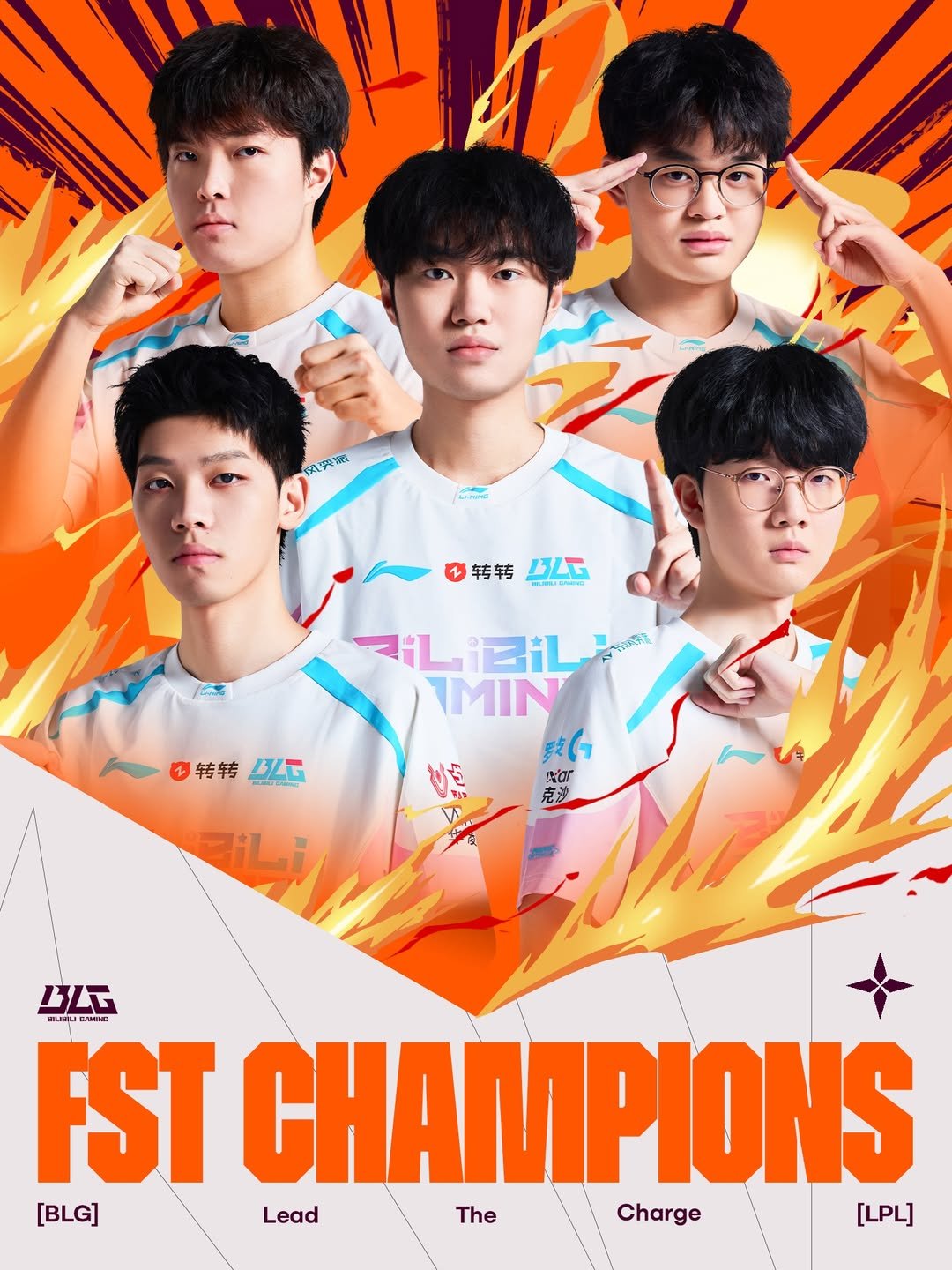
Will Bilibili Gaming make a roster change before September
- Polymarket
Will Bilibili Gaming make a roster change before September - Polymarket
1W
News
Positive
Negative
Neutral
Hover marker for details
Vol.
·
Resolved Jul 29, 2026

Closed: Jul 29, 11:25 AM EST

Polymarket
Description
These markets assess whether Bilibili Gaming will make a roster change before September 2026. However, they track different teams and games: Limitless monitors Team Vitality's CS2 roster, while Polymarket monitors Bilibili Gaming's League of Legends roster. This is a critical mismatch in event scope.
PredictionHero - Resolution Divergence Alerts (RDA)
Divergence Detected
Issue: The event group conflates two entirely different organizations (Team Vitality vs. Bilibili Gaming) across two different esports (CS2 vs. League of Legends). This is a fundamental scope and identity failure that makes the group incoherent.Hero tip: Do not assume these markets are related. Limitless tracks Team Vitality CS2 with a July 15 deadline; Polymarket tracks Bilibili Gaming LoL with an August 31 deadline and a 48-hour persistence requirement. Treat them as independent markets and verify which organization and game you intend to trade on before committing capital.Critical divergence points:
- Limitless: Tracks Team Vitality (CS2 esports organization) roster changes. Current roster: apEX, zywOo, flameZ, ropz, mezii. Resolution source: HLTV. Deadline: July 15, 2026, 23:59 UTC. Excludes coach changes and single-event stand-ins. Key quote: 'This market will resolve to YES if any player joins or leaves Team Vitality's main cs2 roster (defined as players listed with status = Starter in the Players of Team Vitality table on HLTV) by July 15, 23:59 UTC, 2026.'
- Polymarket: Tracks Bilibili Gaming (League of Legends esports organization) roster changes. Current roster: Bin, Xun, Knight, Yxl, Viper, ON. Resolution source: Liquipedia. Deadline: August 31, 2026, 11:59 PM ET. Requires roster change to persist for 48 continuous hours post-occurrence. Excludes coach changes and single-match stand-ins. Key quote: 'This market will resolve to Yes if any player joins or leaves Bilibili Gaming's active League of Legends roster (defined as the active lineup listed on the Bilibili Gaming Liquipedia page) by August 31, 2026, 11:59 PM ET.'
Polymarket
This market will resolve to "Yes" if any player joins or leaves Bilibili Gaming's active League of Legends roster (defined as the active lineup listed on the Bilibili Gaming Liquipedia page: https://liquipedia.net/leagueoflegends/Bilibili_Gaming) by August 31, 2026, 11:59 PM ET. Otherwise, this market will resolve to "No". As of market creation the active roster consists of the following players: Bin, Xun, Knight, Yxl, Viper, and ON. Name changes or aliases referring to the same player do not qualify as roster changes. For the purpose of this market, "roster change" refers to any official signing, transfer, benching to inactive/reserve, release, retirement, or departure of a player from the active lineup. This includes adding new players (transfers, free agent signings, or loans), removing players (to inactive, free agency, or other teams), or any change resulting in a different active roster. Coach changes and temporary stand-ins for a single match will not count. A qualifying roster change must occur on or before the deadline, and be reflected in the resolution source. Once the change appears in the resolution source, it must remain live for at least 48 continuous hours to be valid. This 48-hour period may finish after the deadline, so long as the change itself occurred on or before the deadline. If the change is reverted or removed before 48 hours have elapsed, the window resets and will not count toward resolution. The primary resolution source for this market will be Liquipedia; however a consensus of credible reporting may also be used.
Limitless
This market will resolve to "YES" if any player joins or leaves Team Vitality's main cs2 roster (defined as players listed with status = "Starter" in the "Players of Team Vitality" table on HLTV: https://www.hltv.org/team/9565/vitality#tab-rosterBox) by July 15, 23:59 UTC, 2026. Otherwise, this market will resolve to "NO". As of market creation the active starter roster consists of the following five players: apEX, zywOo, flameZ, ropz, mezii. Name changes or aliases referring to the same player do not qualify as roster changes. For the purpose of this market, "roster change" refers to any official signing, transfer, benching to inactive/reserve, release, retirement, or departure of a player from the active starter lineup. This includes adding new players (transfers, free agent signings, or loans), removing players (to bench/inactive, free agency, or other teams), or any change resulting in a different 5-player active roster on HLTV. Coach changes and temporary stand-ins for a single event will not count. For matches and events, the stand-in appears in the active 5-player lineup but with a clear marker (e.g., [SI]) to distinguish them from the core roster. The primary resolution source for this market will be HLTV; however a consensus of credible reporting may also be used.
Frequently asked questions
Prediction markets and sportsbooks operate on different mechanics. Sportsbooks set odds and manage risk as the house; prediction markets let traders buy and sell shares directly, with prices reflecting collective belief. This market aggregates trader sentiment across multiple platforms, which often diverges from traditional sportsbook lines because prediction markets reward accuracy over time and attract specialists willing to arbitrage mispriced outcomes. The crowd-sourced pricing here can sometimes lead sportsbooks or lag them, depending on information flow and trader sophistication.
Polymarket and Limitless may show different odds on the same event for several reasons. Polymarket and Limitless can show different implied probabilities for the same outcome because of liquidity, fee structure, participant mix, and how each venue defines the contract. Each platform attracts distinct trader bases with different risk tolerances, information sets, and time horizons. Liquidity depth varies between venues, so large trades can move prices differently. Settlement rules, fee structures, and user interface design also influence how traders perceive and price the same outcome. These gaps create arbitrage opportunities but typically narrow as informed traders exploit them.
Several catalysts could shift odds significantly. Official announcements of player signings, departures, or trades involving Bilibili Gaming would trigger immediate repricing. Poor tournament performance or internal team conflicts reported by credible esports media could increase the likelihood of change. Conversely, strong competitive results or public statements from management affirming roster stability could lower it. Injury news, contract disputes, or rival team roster moves affecting the competitive landscape may also influence trader sentiment and market prices leading up to the September deadline.

