TOTAL VOLUME:
$97.2b
24H VOL:
$177,903,386
24H TRANSACTIONS:
950,106,883
OPEN INTEREST:
$2,049,845,057
824,617
Markets across
14,701
events
MATCHED EVENTS:
899
PLATFORM COVERAGE:
5
Polymarket:
45%
VS.
Kalshi:
55%
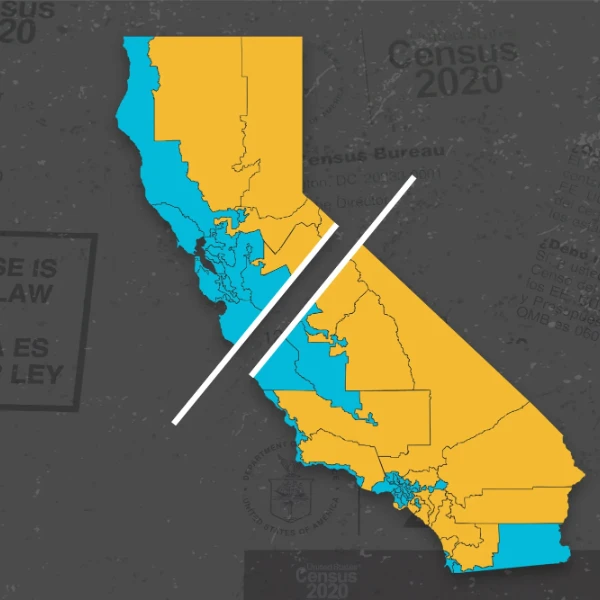
Which states will redistrict before the midterms? Odds & Prediction Markets


What states will redistrict before the 2026 Congressional elections?
$
$20
$50
$100
$500
Intro
This market tracks whether Kansas will adopt new congressional district maps before the 2026 midterm elections. On Kalshi, the leading outcome—that Kansas will redistrict before the midterms—stands at 98.0%. Resolution is determined by whether the Kansas legislature has adopted new, qualifying congressional district maps after market issuance and before November 1, 2026, according to official state records. Watch for legislative action and votes on redistricting proposals as the November 1, 2026 resolution deadline approaches, which marks the end of the betting period for this market.
Kalshi
A state redistricts for the 2026 elections if new congressional district maps are formally adopted and enacted into law by the appropriate legislative or redistricting authority, remain in effect without being fully enjoined, vacated, stayed, or struck down by any court with jurisdiction, and are actually used in the first scheduled federal election after adoption. Maps that are temporarily stayed pending appeal but ultimately upheld resolve to Yes if in effect by the expiration date. Maps that are completely redrawn by a court or special master, withdrawn by the legislature before implementation, or never adopted by the deadline resolve to No. Each state outcome resolves independently based on whether its new maps meet all three conditions.
Frequently asked questions
Prediction market odds on Kalshi reflect real-money bets from traders with financial incentives to forecast accurately, whereas polling averages capture voter sentiment or expert opinion at a single point in time. Redistricting timelines are driven by legislative action and court decisions rather than public opinion, so prediction markets may diverge significantly from traditional polls. Markets tend to incorporate breaking news about state legislatures, court rulings, and procedural deadlines faster than polls can update. For this event, market prices represent aggregated expectations of when states will complete redistricting, while polls may not directly address this technical question. Comparing the two reveals whether traders believe redistricting will occur sooner or later than conventional analysis suggests.
On Kalshi, the Which states will redistrict before the midterms market is priced according to the top outcome "What states will redistrict before the 2026 Congressional elections?" currently trading at 96.2% implied probability. On Kalshi, prices reflect that venue's order book, liquidity, and how traders price the outcome right now. Traders buy and sell binary or multi-outcome shares reflecting their belief in whether specific states will complete redistricting by the resolution date. The price discovery process on Kalshi incorporates legislative calendars, court timelines, and political developments affecting each state's redistricting schedule. Higher prices indicate stronger market confidence that redistricting will occur; lower prices suggest skepticism. Volume and bid-ask spreads on Kalshi reveal how much consensus exists around each outcome, with tighter spreads indicating higher confidence among participants.
The Which states will redistrict before the midterms market resolves on Nov 1, 2026. Resolution is determined by whether specific states complete their redistricting processes before the 2026 Congressional elections. The outcome hinges on state legislative action, court decisions, and procedural milestones that determine when each state's new district maps take effect. States may redistrict through legislative passage, court-ordered remedies, or independent commission decisions. The exact criteria for what constitutes completion—such as when maps are officially adopted, legally challenged, or implemented—will be specified in the market's resolution rules. Traders should monitor state-level legislative sessions, litigation, and election administration announcements leading up to the end date.
Key catalysts include state legislative sessions where redistricting bills are introduced or voted on, court rulings on redistricting challenges or delays, and announcements from independent redistricting commissions. Litigation over existing maps can accelerate or postpone redistricting timelines significantly. Federal court decisions affecting voting rights or district validity may trigger state-level action. Election administration deadlines for candidate filing or ballot preparation create hard stops that force redistricting completion. Changes in state political control or leadership can shift priorities around redistricting speed. Media coverage of redistricting progress in competitive states will likely influence trader sentiment. Unexpected procedural delays, vetoes, or procedural votes in state legislatures represent high-impact events. Tracking state legislative calendars and court dockets is essential for anticipating moves in this market.
Follow the signals, not the noise
Get insights on market conviction, notable shifts, and what the data is quietly signaling.