TOTAL VOLUME:
$116.7b
24H VOL:
$107,266,600
24H TRANSACTIONS:
1,362,287,844
OPEN INTEREST:
$1,176,258,675
332,550
Markets across
33,140
events
MATCHED EVENTS:
4,150
PLATFORM COVERAGE:
5
Polymarket:
42%
VS.
Kalshi:
58%
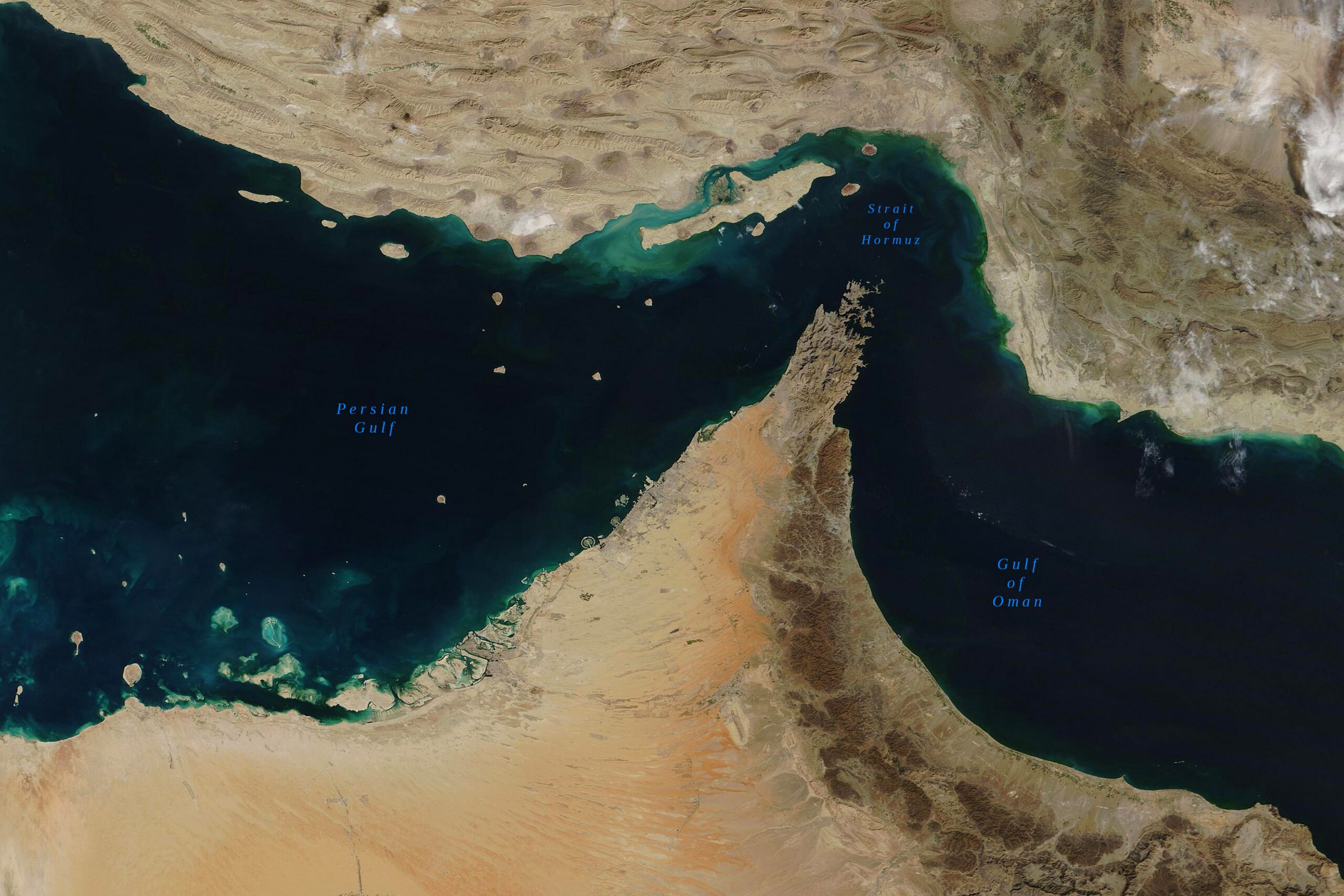


Strait of Hormuz traffic returns to normal by July 31?
Before Jan 1, 2029
- Kalshi
Before Jan 1, 2029 - Kalshi
84%
1W
News
Positive
Negative
Neutral
Hover marker for details
Aug 25
Aug 25
Aug 25
Aug 25
Aug 26
Aug 26
Aug 26
Vol.
$2.3k
·
Resolves Jan 1, 2027
Latest in Politics







Will the 7-day moving average of transit calls through the Strait of Hormuz as reported by the IMF PortWatch be above 60 before January 1, 2029?
$

Description
This market will resolve to “Yes” if IMF Portwatch publishes a 7-day moving average of transit calls (“Arrivals of Ships”) for the Strait of Hormuz equal to or above 60 for any date between market creation and July 31, 2026. Otherwise, this market will resolve to “No”. Daily transit calls include container, dry bulk, roll-on/roll-off, general cargo, and tanker ships. Ships not reported by IMF Portwatch will not be considered. This market will resolve as soon as IMF Portwatch publishes a 7-day moving average of transit calls equal to or above the specified level, or once data has been published for the final date in the specified period and no such value has been published. If no data has been published for the final date of the specified period within 14 calendar days (ET) after the end of that period, this market will resolve based on data published up to that point. Revisions to previously published data points made within this market’s timeframe will be considered. However, they will not disqualify a previously published data point from qualifying. Revisions to previously published data points after data is published for July 31, 2026, however, will not be considered. The resolution source for this market will be IMF Portwatch, specifically the transit calls data published for the Strait of Hormuz at https://portwatch.imf.org/pages/cb5856222a5b4105adc6ee7e880a1730, both in the chart and through downloadable files.
PredictionHero - Resolution Divergence Alerts (RDA)
Divergence Detected
Issue: Kalshi presents 12 distinct resolution conditions with staggered dates from April 2026 through July 2027, while Polymarket defines a single unified resolution window ending July 31, 2026. The markets have different effective deadlines and trigger mechanisms.Hero tip: Treat these as separate markets with different risk profiles. Kalshi's earliest resolution date is April 1, 2026 (condition 7); Polymarket's hard deadline is July 31, 2026. A Yes outcome on Kalshi could occur 4 months before Polymarket's final resolution date. Conversely, if the threshold is not met by July 31, 2026, Kalshi conditions 11 and 12 (extending to April 1, 2027 and July 1, 2027) remain unresolved. Hedge accordingly.Critical divergence points:
- Polymarket: Single resolution window with hard deadline of July 31, 2026. Resolves Yes if 7-day moving average of transit calls reaches 60+ at any point between market creation and July 31, 2026; resolves No if threshold never met by that date. Quote: 'This market will resolve to Yes if IMF Portwatch publishes a 7-day moving average of transit calls equal to or above 60 for any date between market creation and July 31, 2026. Otherwise, this market will resolve to No.'
- Kalshi: 12 separate resolution conditions with multiple trigger dates. Each condition independently resolves Yes if threshold is met before its specified date. Dates range from April 1, 2026 (earliest) to July 1, 2027 (latest). Quote: 'If the 7-day moving average of transit calls through the Strait of Hormuz as reported by the IMF PortWatch is above 60 before [date], then the market resolves to Yes' (repeated across 12 conditions with varying dates).
Polymarket
This market will resolve to “Yes” if IMF Portwatch publishes a 7-day moving average of transit calls (“Arrivals of Ships”) for the Strait of Hormuz equal to or above 60 for any date between market creation and July 31, 2026. Otherwise, this market will resolve to “No”. Daily transit calls include container, dry bulk, roll-on/roll-off, general cargo, and tanker ships. Ships not reported by IMF Portwatch will not be considered. This market will resolve as soon as IMF Portwatch publishes a 7-day moving average of transit calls equal to or above the specified level, or once data has been published for the final date in the specified period and no such value has been published. If no data has been published for the final date of the specified period within 14 calendar days (ET) after the end of that period, this market will resolve based on data published up to that point. Revisions to previously published data points made within this market’s timeframe will be considered. However, they will not disqualify a previously published data point from qualifying. Revisions to previously published data points after data is published for July 31, 2026, however, will not be considered. In case of obvious data integrity issues (i.e., erroneous data), the market may remain open until the end of the third calendar day (ET) after the date on which such data is first released to allow for corrections. Data integrity issues refer only to clerical or other similar errors in the underlying data, and do not include cases where IMF Portwatch differs from alternative sources. The resolution source for this market will be IMF Portwatch, specifically the transit calls data published for the Strait of Hormuz at https://portwatch.imf.org/pages/cb5856222a5b4105adc6ee7e880a1730, both in the chart and through downloadable files.
Kalshi
Resolution depends on the 7-day moving average of transit calls through the Strait of Hormuz exceeding 60 as reported by IMF PortWatch. The market is structured as a series of sequential date-based outcomes, each asking whether this threshold is reached before specific dates ranging from April 15, 2026 through July 1, 2027. Once the 7-day moving average surpasses 60 on any date, the earliest applicable market resolves to Yes while later markets also resolve to Yes. If the threshold is never reached by July 1, 2027, all markets resolve to No. Data is based on official IMF PortWatch reporting.
Frequently asked questions
Prediction markets for Strait of Hormuz normalization differ fundamentally from polling because they aggregate financial incentives rather than survey responses. Market participants stake real capital on outcomes, creating continuous price discovery driven by geopolitical intelligence, shipping data, and regional developments. Unlike polls, prediction markets incorporate forward-looking expectations and update instantly as conditions change. The current cross-platform consensus reflects traders' aggregate assessment of diplomatic resolution, security improvements, and traffic recovery likelihood—a dynamic measure that typically responds faster to breaking news than traditional polling methodologies.
Polymarket and Kalshi may show different implied probabilities due to variations in their contract specifications and trader composition. Polymarket and Kalshi can show different implied probabilities for the same outcome because of liquidity, fee structure, participant mix, and how each venue defines the contract. Polymarket focuses on a specific IMF PortWatch metric threshold by an earlier date, while Kalshi addresses broader normalization by Jan 1, 2027, creating distinct risk profiles. Differences in liquidity depth, user demographics, and regional trader access can also cause price divergence. Arbitrage opportunities between platforms reward traders who exploit these gaps, though transaction costs and withdrawal friction may prevent full convergence.
Key catalysts include diplomatic breakthroughs or escalations affecting regional tensions, changes in sanctions regimes, military incidents or security improvements in the strait, and shipping industry reports on transit volumes and delays. International maritime authority statements, insurance premium shifts, and tanker routing data provide real-time signals of normalization progress. Political developments in Iran, the Gulf states, and Western powers directly influence trader expectations. Economic data on global oil prices and trade flows also matter, as they reflect market confidence in corridor stability. Unexpected attacks, blockades, or peace agreements could trigger sharp repricing.

'%3e%3ccircle%20cx='26'%20cy='26'%20r='26'%20fill='%23000'/%3e%3cpath%20fill='%23fff'%20d='M27.6629%2037.9855L31.004%2037.6925L32.1989%2051.3689C33.72%2051.027%2035.2073%2050.5486%2036.6425%2049.9395V37.8085H40.7697V47.7178C42.4942%2046.577%2044.0775%2045.236%2045.4865%2043.7226L46.0172%2037.6591L49.5548%2037.9678C51.5707%2034.0725%2052.5697%2029.7306%2052.4591%2025.3456C52.3484%2020.9605%2051.1317%2016.6746%2048.9219%2012.886L48.7903%2014.392L44.6631%2014.0303L45.1937%207.97067C43.8569%206.58147%2042.3706%205.34447%2040.7619%204.28222V14.2406H36.6347V2.06247C34.8743%201.313%2033.0358%200.762345%2031.1533%200.420753L32.3463%2014.0637L29.0052%2014.3566L27.7513%200.0314647C27.3308%200.0118035%2026.9062%200%2026.4817%200C24.8262%204.44017e-06%2023.1745%200.157349%2021.5487%200.469906L23.9072%2013.8985L21.364%2014.3468L19.0253%201.0853C16.8454%201.73668%2014.7611%202.67345%2012.8266%203.87129L15.4601%2013.7019L13.4634%2014.2387L11.0146%205.09226C9.12509%206.49278%207.43337%208.1422%205.98527%209.99577L7.26077%2013.5014L5.80446%2014.0322L4.88665%2011.5097C3.41845%2013.6953%202.29182%2016.092%201.54558%2018.6172L1.95829%2018.4678L7.2647%2033.0387L5.80839%2033.5696L1.06407%2020.5303C-0.0225105%2025.6016%200.430464%2030.8821%202.36486%2035.6941C4.29926%2040.5061%207.62683%2044.6301%2011.9206%2047.5369L9.45605%2038.3355L11.4528%2037.7987L14.4677%2049.0567C16.5333%2050.1354%2018.7355%2050.9291%2021.0142%2051.4161L18.6892%2038.1605L21.2343%2037.7122L23.7283%2051.8683C24.6462%2051.9654%2025.5686%2052.014%2026.4916%2052.0138C27.2954%2052.0138%2028.0933%2051.9764%2028.8795%2051.9037L27.6629%2037.9855Z'%20/%3e%3cpath%20fill='%23000'%20d='M46.0368%2018.1276L50.1542%2018.4875L48.804%2033.9372L44.6768%2033.5774L46.0368%2018.1276ZM36.6484%2018.279H40.7756V33.7858H36.6484V18.279ZM31.0099%2018.1611L32.3601%2033.6109L29.019%2033.9038L27.6668%2018.454L31.0099%2018.1611ZM13.481%2033.7898L9.4698%2018.8099L11.4666%2018.2751L15.4778%2033.2452L13.481%2033.7898ZM21.3817%2033.892L18.6892%2018.6211L21.2343%2018.1729L23.9248%2033.4418L21.3817%2033.892Z'%20/%3e%3c/g%3e%3c/svg%3e)