TOTAL VOLUME:
$95.4b
24H VOL:
$129,468,397
24H TRANSACTIONS:
928,180,930
OPEN INTEREST:
$2,013,457,004
805,261
Markets across
14,216
events
MATCHED EVENTS:
834
PLATFORM COVERAGE:
5
Polymarket:
45%
VS.
Kalshi:
55%
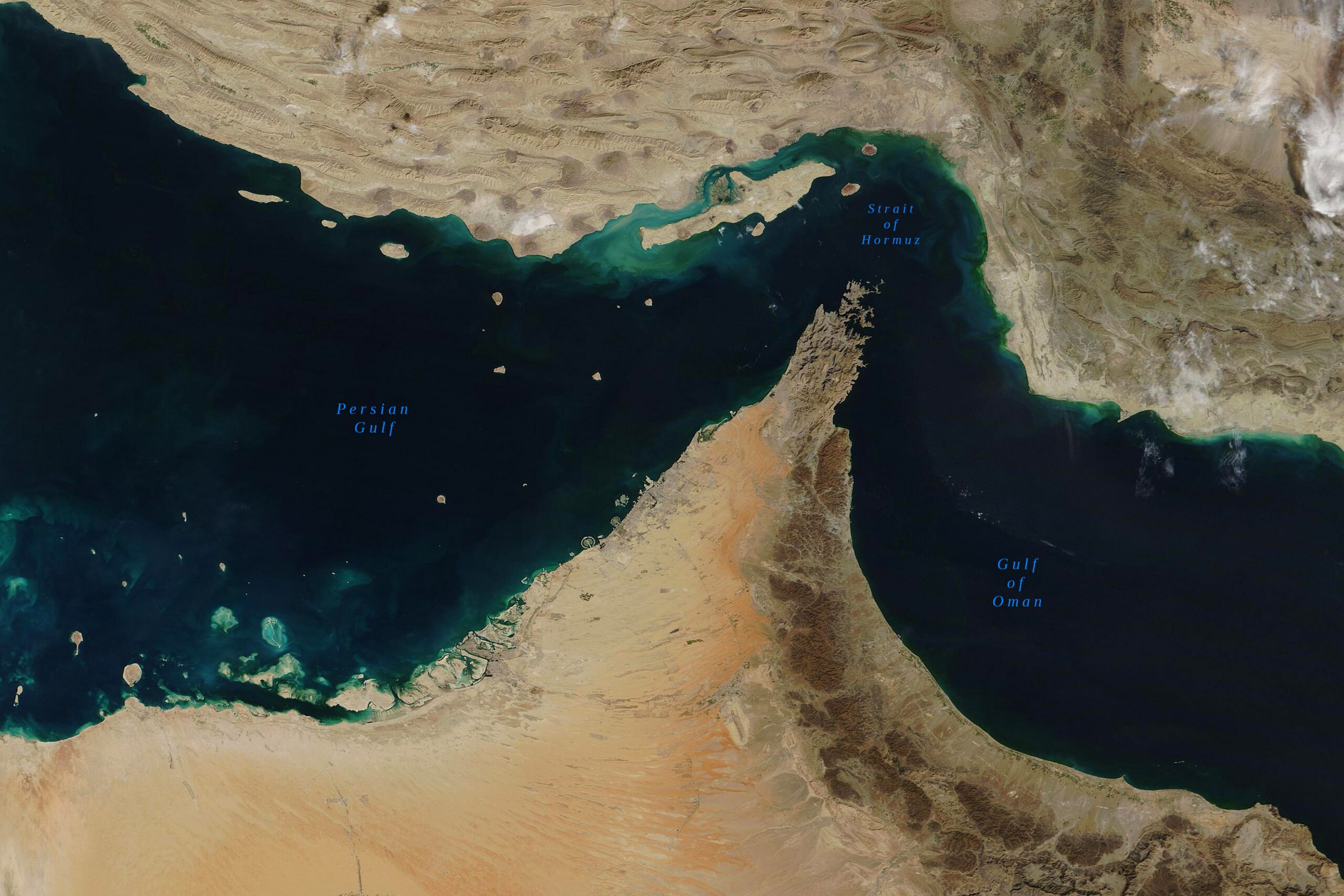

Strait of Hormuz traffic returns to normal by July 15? Odds & Prediction Markets


Time left: 07d:19h:21m
Will there be more than 50 transit calls through the Strait of Hormuz from Jul 13, 2026 to Jul 19, 2026?
$
$20
$50
$100
$500
Intro
This market tracks whether maritime traffic through the Strait of Hormuz returns to normal levels, measured by daily transit calls recorded by IMF Portwatch. The aggregated consensus across Polymarket and Kalshi stands at 73.0% for the leading outcome. Resolution will be determined by IMF Portwatch transit call data, with the measurement window concluding on July 15, 2026. Watch for the publication of IMF Portwatch's 7-day moving average of transit calls through mid-July 2026, as this will be the decisive signal for market resolution.
PredictionHero - Resolution Divergence Alerts (RDA)
Divergence Detected
Issue: Polymarket and Kalshi employ different measurement methodologies (7-day moving average vs. daily absolute counts), different threshold levels (60 vs. 50-250+), and different time windows (through July 15 vs. July 13-19). These differences create non-equivalent resolution conditions.Hero tip: Do not assume these markets will resolve identically. Polymarket's moving average smooths volatility and requires sustained normalization; Kalshi's daily thresholds can trigger on a single spike. Confirm whether Kalshi's nine conditions are separate binary markets or tiers within a single contract. Monitor IMF PortWatch data format closely—Polymarket explicitly accepts data revisions within the measurement period, while Kalshi's revision policy is unstated.Critical divergence points:
- Polymarket: Requires 7-day moving average of transit calls to reach 60+ on any date between market creation and July 15, 2026. Uses moving average methodology, accepts data revisions within the period, and resolves as soon as threshold is met or after July 15 data is published. Key Quote: 'This market will resolve as soon as IMF Portwatch publishes a 7-day moving average of transit calls equal to or above the specified level.'
- Kalshi: Resolves YES if daily transit calls exceed specified thresholds (50, 75, 100, 125, 150, 175, 200, 225, or 250+) during the window July 13-19, 2026. Uses absolute daily counts without averaging. Nine separate conditions listed suggest this may be a tiered or bracket market structure. Key Quote: 'If the number of transit calls through the Strait of Hormuz as reported by the IMF PortWatch is above 50 from Jul 13, 2026 to Jul 19, 2026, then the market resolves to Yes.'
Polymarket
This market will resolve to “Yes” if IMF Portwatch publishes a 7-day moving average of transit calls (“Arrivals of Ships”) for the Strait of Hormuz equal to or above 60 for any date between market creation and July 15, 2026. Otherwise, this market will resolve to “No”. Daily transit calls include container, dry bulk, roll-on/roll-off, general cargo, and tanker ships. Ships not reported by IMF Portwatch will not be considered. This market will resolve as soon as IMF Portwatch publishes a 7-day moving average of transit calls equal to or above the specified level, or once data has been published for the final date in the specified period and no such value has been published. If no data has been published for the final date of the specified period within 14 calendar days (ET) after the end of that period, this market will resolve based on data published up to that point. Revisions to previously published data points made within this market’s timeframe will be considered. However, they will not disqualify a previously published data point from qualifying. Revisions to previously published data points after data is published for July 15, 2026, however, will not be considered. In case of obvious data integrity issues (i.e., erroneous data), the market may remain open until the end of the third calendar day (ET) after the date on which such data is first released to allow for corrections. Data integrity issues refer only to clerical or other similar errors in the underlying data, and do not include cases where IMF Portwatch differs from alternative sources. The resolution source for this market will be IMF Portwatch, specifically the transit calls data published for the Strait of Hormuz at https://portwatch.imf.org/pages/cb5856222a5b4105adc6ee7e880a1730, both in the chart and through downloadable files.
Kalshi
Resolution is determined by comparing the total transit calls through the Strait of Hormuz during July 13-19, 2026 against multiple threshold levels (50, 75, 100, 125, 150, 175, 200, 225, and 250). Each threshold constitutes a separate market outcome. A market resolves to Yes if the weekly total exceeds its specified threshold, and No otherwise. Transit data is sourced from IMF PortWatch and calculated by summing daily counts across all seven days. Resolution occurs no earlier than Tuesday at 9 AM following the end of the period, allowing time for complete data compilation and verification.
Frequently asked questions
Prediction markets differ fundamentally from polling: they aggregate financial incentives rather than survey responses. Traders who bet incorrectly lose money, creating a powerful discipline absent in traditional polls. For this market, participants are wagering real capital on observable shipping data and transit patterns, not expressing opinions. This mechanism often produces more accurate forecasts than sentiment-based surveys, especially on technical or data-driven questions like maritime traffic normalization. Market prices reflect the collective judgment of informed traders with skin in the game, making them a distinct and often more reliable signal than conventional polling on geopolitical outcomes.
Polymarket and Kalshi may price this outcome differently due to variations in their trader bases, contract specifications, and liquidity pools. Polymarket and Kalshi can show different implied probabilities for the same outcome because of liquidity, fee structure, participant mix, and how each venue defines the contract. One venue may attract more energy-sector traders, while the other draws geopolitical specialists, leading to divergent risk assessments. Contract design also matters: slight differences in how each platform defines "normal" traffic or the measurement window can shift implied probabilities. Arbitrage traders typically narrow such gaps, but temporary spreads often persist due to friction costs and the time required for informed traders to move capital between venues. Monitoring both prices provides a fuller picture of market uncertainty.
This market resolves around Jul 21, 2026, with the outcome confirmed once the event is verifiable from credible public reporting. Resolution hinges on whether maritime traffic through the Strait of Hormuz meets established normalization benchmarks by the specified date. Traders should monitor shipping data, transit call volumes, and official maritime authority reports as the deadline approaches. The outcome will be determined by objective, observable metrics rather than subjective interpretation, ensuring clarity for all participants. Early resolution may occur if conditions definitively confirm or rule out normalization well before the end date.
Key catalysts include geopolitical escalations or de-escalations in the region, shipping insurance rates, official transit reports from maritime authorities, and energy price movements. Any military incidents, diplomatic breakthroughs, or sanctions changes could rapidly shift trader expectations. Real-time vessel tracking data and port activity reports serve as leading indicators of traffic normalization. Economic sanctions or trade policy announcements affecting regional commerce may also influence odds. Traders typically react sharply to news from energy markets, regional governments, and international shipping organizations, making these sources essential for monitoring this market's trajectory.
'%3e%3ccircle%20cx='26'%20cy='26'%20r='26'%20fill='%23000'/%3e%3cpath%20fill='%23fff'%20d='M27.6629%2037.9855L31.004%2037.6925L32.1989%2051.3689C33.72%2051.027%2035.2073%2050.5486%2036.6425%2049.9395V37.8085H40.7697V47.7178C42.4942%2046.577%2044.0775%2045.236%2045.4865%2043.7226L46.0172%2037.6591L49.5548%2037.9678C51.5707%2034.0725%2052.5697%2029.7306%2052.4591%2025.3456C52.3484%2020.9605%2051.1317%2016.6746%2048.9219%2012.886L48.7903%2014.392L44.6631%2014.0303L45.1937%207.97067C43.8569%206.58147%2042.3706%205.34447%2040.7619%204.28222V14.2406H36.6347V2.06247C34.8743%201.313%2033.0358%200.762345%2031.1533%200.420753L32.3463%2014.0637L29.0052%2014.3566L27.7513%200.0314647C27.3308%200.0118035%2026.9062%200%2026.4817%200C24.8262%204.44017e-06%2023.1745%200.157349%2021.5487%200.469906L23.9072%2013.8985L21.364%2014.3468L19.0253%201.0853C16.8454%201.73668%2014.7611%202.67345%2012.8266%203.87129L15.4601%2013.7019L13.4634%2014.2387L11.0146%205.09226C9.12509%206.49278%207.43337%208.1422%205.98527%209.99577L7.26077%2013.5014L5.80446%2014.0322L4.88665%2011.5097C3.41845%2013.6953%202.29182%2016.092%201.54558%2018.6172L1.95829%2018.4678L7.2647%2033.0387L5.80839%2033.5696L1.06407%2020.5303C-0.0225105%2025.6016%200.430464%2030.8821%202.36486%2035.6941C4.29926%2040.5061%207.62683%2044.6301%2011.9206%2047.5369L9.45605%2038.3355L11.4528%2037.7987L14.4677%2049.0567C16.5333%2050.1354%2018.7355%2050.9291%2021.0142%2051.4161L18.6892%2038.1605L21.2343%2037.7122L23.7283%2051.8683C24.6462%2051.9654%2025.5686%2052.014%2026.4916%2052.0138C27.2954%2052.0138%2028.0933%2051.9764%2028.8795%2051.9037L27.6629%2037.9855Z'%20/%3e%3cpath%20fill='%23000'%20d='M46.0368%2018.1276L50.1542%2018.4875L48.804%2033.9372L44.6768%2033.5774L46.0368%2018.1276ZM36.6484%2018.279H40.7756V33.7858H36.6484V18.279ZM31.0099%2018.1611L32.3601%2033.6109L29.019%2033.9038L27.6668%2018.454L31.0099%2018.1611ZM13.481%2033.7898L9.4698%2018.8099L11.4666%2018.2751L15.4778%2033.2452L13.481%2033.7898ZM21.3817%2033.892L18.6892%2018.6211L21.2343%2018.1729L23.9248%2033.4418L21.3817%2033.892Z'%20/%3e%3c/g%3e%3c/svg%3e)
Follow the signals, not the noise
Get insights on market conviction, notable shifts, and what the data is quietly signaling.