TOTAL VOLUME:
$147.3b
24H VOL:
$172,964,198
24H TRANSACTIONS:
2,798,566,680
OPEN INTEREST:
$1,800,387,182
518,213
Markets across
38,398
events
MATCHED EVENTS:
2,848
PLATFORM COVERAGE:
5
Polymarket:
38%
VS.
Kalshi:
62%

December 31
- Polymarket
December 31 - Polymarket
1W
News
Positive
Negative
Neutral
Hover marker for details
Vol.
·
Resolves Dec 31, 2026
Latest in World



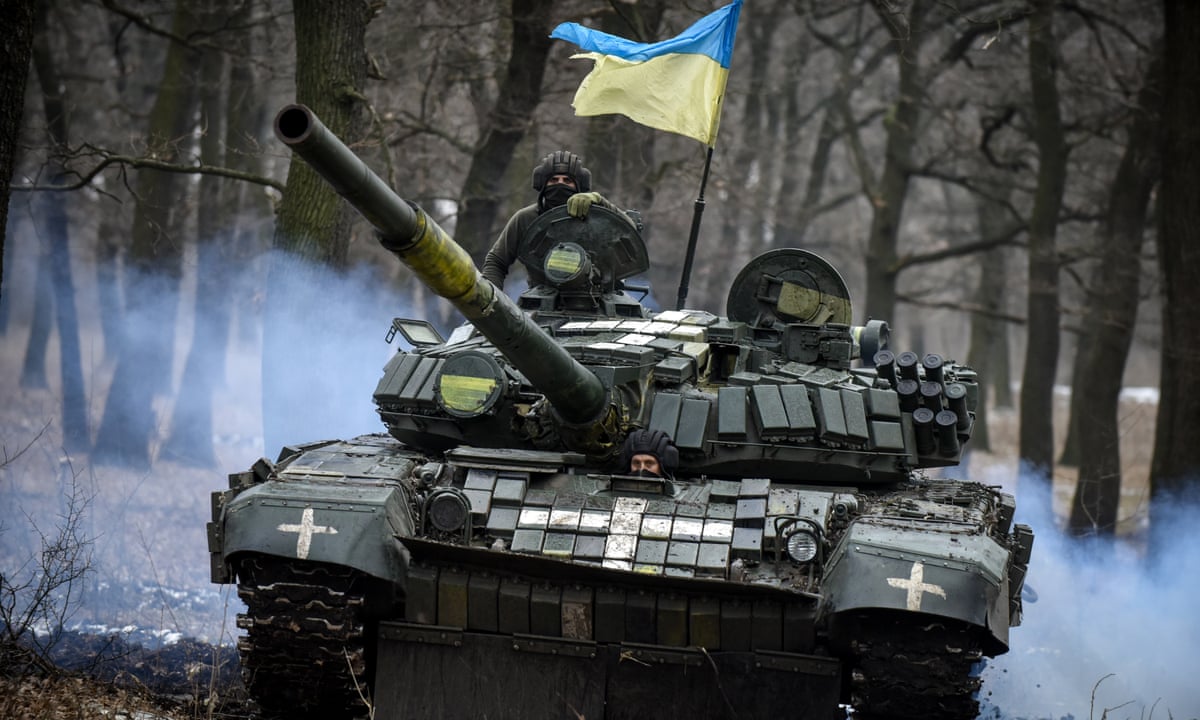
Will Ukraine re-enter Obratne or Temyrivka by December 31?
$
Description
This market will resolve to “Yes” if, according to the ISW map, Ukraine captures any territory of Obratne (47.827331° N, 36.548744° E) or Temyrivka (47.825114° N, 36.570672° E), Zaporizhzhya Oblast, between market creation and the specified date, 11:59 PM ET. Territory will be considered captured if any part of the specified territory is shaded under a below specified layer on the ISW map (https://storymaps.arcgis.com/stories/36a7f6a6f5a9448496de641cf64bd375) by the resolution date. Otherwise, the market will resolve to “No”. The boundaries of the municipality are those shown under the “Ukrainian Settlements” layer on the ISW map. For any change on the ISW map to qualify for this market’s resolution, the relevant shading must persist through the next full ISW daily update cycle. If ISW skips a day, shading must persist until the next finalized ISW update is published, regardless of the date. Any continuous shading under the following layers will qualify: - Claimed Ukrainian Counteroffensives Once a qualifying condition is met, any subsequent loss of control will not be considered towards the resolution of this market. If Ukraine comes into control of the specified territory as a result of a negotiated settlement, this will qualify for a 'Yes' resolution, regardless of whether it is shaded under a qualifying layer on the ISW map. However, an announcement of a negotiated settlement that gives Ukraine de jure control will not qualify. Actual control must be established. The primary resolution source for this market will be the ISW Ukraine map. If the ISW map is rendered unavailable, information from DeepStateMap (https://deepstatemap.live/) may be used. If information from both the ISW and DeepStateMap are rendered permanently unavailable, a consensus of credible reporting may be used. Note: Any temporary glitches or errors in the map will not be considered.
Polymarket
This market will resolve to “Yes” if, according to the ISW map, Ukraine captures any territory of Obratne (47.827331° N, 36.548744° E) or Temyrivka (47.825114° N, 36.570672° E), Zaporizhzhya Oblast, between market creation and the specified date, 11:59 PM ET. Territory will be considered captured if any part of the specified territory is shaded under a below specified layer on the ISW map (https://storymaps.arcgis.com/stories/36a7f6a6f5a9448496de641cf64bd375) by the resolution date. Otherwise, the market will resolve to “No”. The boundaries of the municipality are those shown under the “Ukrainian Settlements” layer on the ISW map. For any change on the ISW map to qualify for this market’s resolution, the relevant shading must persist through the next full ISW daily update cycle. If ISW skips a day, shading must persist until the next finalized ISW update is published, regardless of the date. Any continuous shading under the following layers will qualify: - Claimed Ukrainian Counteroffensives Once a qualifying condition is met, any subsequent loss of control will not be considered towards the resolution of this market. If Ukraine comes into control of the specified territory as a result of a negotiated settlement, this will qualify for a 'Yes' resolution, regardless of whether it is shaded under a qualifying layer on the ISW map. However, an announcement of a negotiated settlement that gives Ukraine de jure control will not qualify. Actual control must be established. The primary resolution source for this market will be the ISW Ukraine map. If the ISW map is rendered unavailable, information from DeepStateMap (https://deepstatemap.live/) may be used. If information from both the ISW and DeepStateMap are rendered permanently unavailable, a consensus of credible reporting may be used. Note: Any temporary glitches or errors in the map will not be considered.
Frequently asked questions
Currently, assessing whether Ukraine will re-enter Obratne or Temyrivka by the resolution date shows a dynamic comparison to external analysis. While expert opinions vary, this market provides a unique, quantified view based on the collective judgment of traders. Polls and analyst forecasts often present qualitative assessments, whereas this market translates those views into a probabilistic outcome. Discrepancies between the market's implied probability and external forecasts can highlight areas of disagreement or differing information access.
On Polymarket, this market is priced through a continuous auction mechanism where traders buy and sell shares representing their belief in the outcome. The price of a share directly reflects the probability of Ukraine re-entering Obratne or Temyrivka by the resolution date. On Polymarket, prices reflect that venue's order book, liquidity, and how traders price the outcome right now. The price fluctuates based on supply and demand, influenced by news events, military developments, and overall geopolitical sentiment. Higher demand for shares increases the price, indicating greater confidence in the outcome, and vice-versa.
This market resolves around Jan 1, 2027, with the outcome confirmed once the event is verifiable from credible public reporting. Resolution will depend on whether Ukraine has established and maintains control of both Obratne and Temyrivka, as determined by widely accepted and publicly available sources documenting territorial control. The resolution will be based on the physical presence and sustained control of Ukrainian forces within the defined areas, and not on claims or announcements alone.
Several signals could significantly impact this market. Major military offensives or counter-offensives in the specified regions, shifts in the front lines, or significant changes in the overall war strategy are key catalysts. Political developments, such as negotiations between Ukraine and Russia, or increased international involvement, could also influence trader sentiment. Unexpected logistical challenges or successes for either side, and the provision of advanced weaponry or aid, are further events that could move this market’s price.


'%3e%3ccircle%20cx='26'%20cy='26'%20r='26'%20fill='%23000'/%3e%3cpath%20fill='%23fff'%20d='M27.6629%2037.9855L31.004%2037.6925L32.1989%2051.3689C33.72%2051.027%2035.2073%2050.5486%2036.6425%2049.9395V37.8085H40.7697V47.7178C42.4942%2046.577%2044.0775%2045.236%2045.4865%2043.7226L46.0172%2037.6591L49.5548%2037.9678C51.5707%2034.0725%2052.5697%2029.7306%2052.4591%2025.3456C52.3484%2020.9605%2051.1317%2016.6746%2048.9219%2012.886L48.7903%2014.392L44.6631%2014.0303L45.1937%207.97067C43.8569%206.58147%2042.3706%205.34447%2040.7619%204.28222V14.2406H36.6347V2.06247C34.8743%201.313%2033.0358%200.762345%2031.1533%200.420753L32.3463%2014.0637L29.0052%2014.3566L27.7513%200.0314647C27.3308%200.0118035%2026.9062%200%2026.4817%200C24.8262%204.44017e-06%2023.1745%200.157349%2021.5487%200.469906L23.9072%2013.8985L21.364%2014.3468L19.0253%201.0853C16.8454%201.73668%2014.7611%202.67345%2012.8266%203.87129L15.4601%2013.7019L13.4634%2014.2387L11.0146%205.09226C9.12509%206.49278%207.43337%208.1422%205.98527%209.99577L7.26077%2013.5014L5.80446%2014.0322L4.88665%2011.5097C3.41845%2013.6953%202.29182%2016.092%201.54558%2018.6172L1.95829%2018.4678L7.2647%2033.0387L5.80839%2033.5696L1.06407%2020.5303C-0.0225105%2025.6016%200.430464%2030.8821%202.36486%2035.6941C4.29926%2040.5061%207.62683%2044.6301%2011.9206%2047.5369L9.45605%2038.3355L11.4528%2037.7987L14.4677%2049.0567C16.5333%2050.1354%2018.7355%2050.9291%2021.0142%2051.4161L18.6892%2038.1605L21.2343%2037.7122L23.7283%2051.8683C24.6462%2051.9654%2025.5686%2052.014%2026.4916%2052.0138C27.2954%2052.0138%2028.0933%2051.9764%2028.8795%2051.9037L27.6629%2037.9855Z'%20/%3e%3cpath%20fill='%23000'%20d='M46.0368%2018.1276L50.1542%2018.4875L48.804%2033.9372L44.6768%2033.5774L46.0368%2018.1276ZM36.6484%2018.279H40.7756V33.7858H36.6484V18.279ZM31.0099%2018.1611L32.3601%2033.6109L29.019%2033.9038L27.6668%2018.454L31.0099%2018.1611ZM13.481%2033.7898L9.4698%2018.8099L11.4666%2018.2751L15.4778%2033.2452L13.481%2033.7898ZM21.3817%2033.892L18.6892%2018.6211L21.2343%2018.1729L23.9248%2033.4418L21.3817%2033.892Z'%20/%3e%3c/g%3e%3c/svg%3e)
%20scale(0.82)%20translate(-12.5%20-12.5)'%3e%3cpath%20fill='%23000'%20fill-rule='evenodd'%20d='M9.619%2012.69h12.995a1.382%201.382%200%200%200%200-2.76h-3.932l5.298-5.405.032-.032L22.08%202.56h-5.255V1.38c0-.76-.619-1.38-1.38-1.38H9.81c-.76%200-1.38.62-1.38%201.38V11.5c0%20.657.534%201.19%201.19%201.19m12.995-2.186h-5.3l5.89-6.01-1.139-1.139-5.813%205.933V1.38a.806.806%200%200%200-.805-.806.806.806%200%200%200-.805.806v9.545c0%20.656.533%201.19%201.189%201.19h6.783a.806.806%200%200%200%200-1.612'%20clip-rule='evenodd'/%3e%3cpath%20fill='%23000'%20fill-rule='evenodd'%20d='M14.393%2011.31H1.398a1.382%201.382%200%200%200%200%202.76H5.33L.032%2019.476%200%2019.507l1.931%201.933h5.255v1.18c0%20.76.619%201.38%201.379%201.38h5.638c.76%200%201.38-.62%201.38-1.38V12.5c0-.657-.534-1.19-1.19-1.19m.293%2011.31a.8.8%200%200%201-.788.805.797.797%200%200%201-.787-.805v-7.904l-5.69%205.928-1.113-1.139%205.764-6.005H6.884a.797.797%200%200%201-.787-.806c0-.444.353-.806.787-.806h6.638c.642%200%201.164.534%201.164%201.19z'%20clip-rule='evenodd'/%3e%3c/g%3e%3c/svg%3e)