TOTAL VOLUME:
$95.1b
24H VOL:
$231,726,420
24H TRANSACTIONS:
906,796,923
OPEN INTEREST:
$2,032,849,016
797,075
Markets across
13,601
events
MATCHED EVENTS:
799
PLATFORM COVERAGE:
5
Polymarket:
45%
VS.
Kalshi:
55%
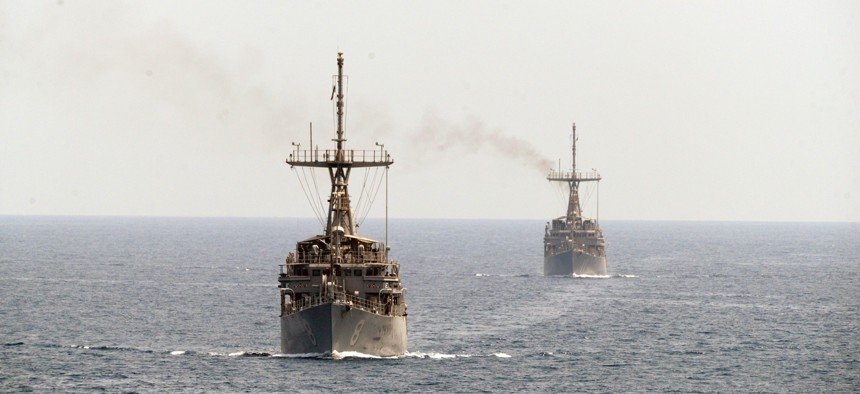
Which countries will send warships through the Strait of Hormuz by July? Odds & Prediction Markets


Time left: 19d:04h:06m
Will the United States send warships through the Strait of Hormuz by July 31, 2026?
$
$20
$50
$100
$500
Description
This market will resolve to "Yes" if a national government, its military, or a broad consensus of credible reporting confirms that the listed country's warships transited through the Strait of Hormuz between market creation and July 31, 2026, 11:59 PM ET. Otherwise, this market will resolve to “No”. A "warship transit" is defined as a military vessel passing through the Strait of Hormuz. Military cargo or support vessels will be considered “warships”; however, commercial or civilian vessels will not qualify. For the purposes of this market, only transits through the Strait of Hormuz will be considered, defined as passage through the narrowest portion of the waterway between Iran and Oman. Operations solely in the Persian Gulf, Gulf of Oman, or Arabian Sea without passage through this narrowest section will not qualify. Official confirmation by a national government or its military that its vessels transited through the Strait of Hormuz during the specified timeframe will resolve this market immediately. An overwhelming consensus of credible reporting confirming that such a transit occurred during the specified timeframe will also suffice. Qualifying confirmations include statements such as official announcements that a country has deployed naval vessels to transit or escort shipping through the Strait of Hormuz. Confirmations referring only to naval presence in the broader region, including the Persian Gulf, Gulf of Oman, or Arabian Sea, without confirmed transit through the Strait itself, as well as aerial operations, cyber operations, or actions by proxies or third parties, will not alone qualify. The primary resolution source for this market will be official information by the respective national governments or their militaries; however, an overwhelming consensus of credible reporting will also suffice.
Polymarket
This market will resolve to "Yes" if a national government, its military, or a broad consensus of credible reporting confirms that the listed country's warships transited through the Strait of Hormuz between market creation and July 31, 2026, 11:59 PM ET. Otherwise, this market will resolve to “No”. A "warship transit" is defined as a military vessel passing through the Strait of Hormuz. Military cargo or support vessels will be considered “warships”; however, commercial or civilian vessels will not qualify. For the purposes of this market, only transits through the Strait of Hormuz will be considered, defined as passage through the narrowest portion of the waterway between Iran and Oman. Operations solely in the Persian Gulf, Gulf of Oman, or Arabian Sea without passage through this narrowest section will not qualify. Official confirmation by a national government or its military that its vessels transited through the Strait of Hormuz during the specified timeframe will resolve this market immediately. An overwhelming consensus of credible reporting confirming that such a transit occurred during the specified timeframe will also suffice. Qualifying confirmations include statements such as official announcements that a country has deployed naval vessels to transit or escort shipping through the Strait of Hormuz. Confirmations referring only to naval presence in the broader region, including the Persian Gulf, Gulf of Oman, or Arabian Sea, without confirmed transit through the Strait itself, as well as aerial operations, cyber operations, or actions by proxies or third parties, will not alone qualify. The primary resolution source for this market will be official information by the respective national governments or their militaries; however, an overwhelming consensus of credible reporting will also suffice.
Frequently asked questions
Prediction market odds often diverge from traditional analyst forecasts because they aggregate real-time trader conviction rather than relying on expert opinion alone. Analysts may issue periodic assessments of geopolitical risk and naval deployment patterns, while this market updates continuously as traders respond to breaking news, diplomatic statements, and military announcements. Markets tend to price in tail risks and shifting probabilities faster than formal forecasts update. Comparing current odds to recent analyst commentary on Middle Eastern naval activity and regional tensions can reveal whether traders are pricing in scenarios experts have overlooked or downplayed.
On Polymarket, traders set the odds by buying and selling shares for each country outcome, with prices ranging from 0 to 100 cents per share. On Polymarket, prices reflect that venue's order book, liquidity, and how traders price the outcome right now. The cost of a share reflects the crowd's estimated probability that a particular nation will send warships through the Strait by the deadline. As new geopolitical developments emerge—diplomatic incidents, military exercises, or policy shifts—traders adjust their positions, moving prices up or down. Higher prices indicate stronger market confidence in that outcome; lower prices suggest skepticism. The continuous order book ensures prices remain responsive to evolving conditions.
This market resolves around Jul 31, 2026, with the outcome confirmed once the event is verifiable from credible public reporting. The resolution hinges on documented evidence that specific countries deployed warships through the Strait of Hormuz during the forecast window. Naval movements are typically confirmed through official government statements, credible news agencies, maritime tracking services, and international monitoring organizations. Once the deadline passes, the market will settle based on which nations' outcomes are verified, and traders holding winning shares will receive their payouts accordingly.
Major catalysts include escalating regional tensions, diplomatic crises, or military incidents involving Middle Eastern powers or their allies. Announcements of naval exercises, port visits, or formal deployment orders from defense ministries would shift odds significantly. UN Security Council resolutions, sanctions regimes, or changes in U.S. foreign policy toward Iran or the Gulf could trigger rapid repricing. Oil price spikes, shipping disruptions, or attacks on commercial vessels often prompt military responses. Media reports of warship movements, satellite imagery, or intelligence leaks about planned deployments will move prices as traders update their forecasts. Even statements from regional leaders or NATO allies can reshape market expectations.
Follow the signals, not the noise
Get insights on market conviction, notable shifts, and what the data is quietly signaling.