TOTAL VOLUME:
$147.3b
24H VOL:
$172,964,198
24H TRANSACTIONS:
2,798,566,680
OPEN INTEREST:
$1,800,387,182
518,213
Markets across
38,398
events
MATCHED EVENTS:
2,848
PLATFORM COVERAGE:
5
Polymarket:
38%
VS.
Kalshi:
62%

December 31
- Polymarket
December 31 - Polymarket
1W
News
Positive
Negative
Neutral
Hover marker for details
Vol.
·
Resolves Jan 2, 2027
Latest in World



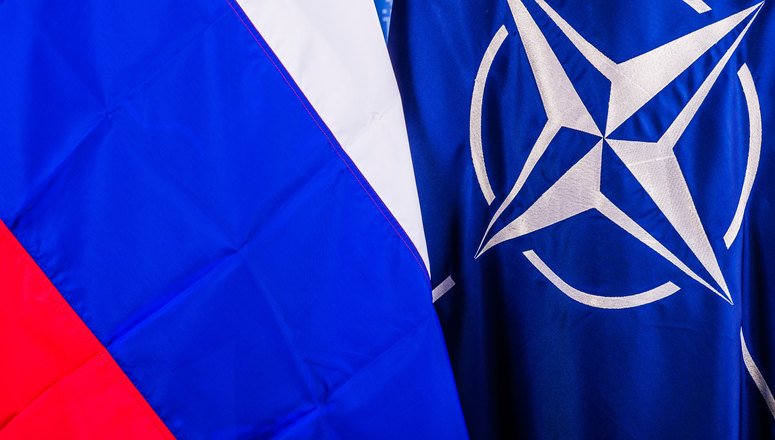
NATO x Russia military clash by December 31, 2026?
$
Intro
This market tracks the likelihood of a military clash between NATO and Russian forces by December 31, 2026. Currently, Polymarket assesses the probability of such a clash at 18.5%, while the probability of it *not* occurring by November 30, 2026 is 11%. Resolution will be based on a consensus of credible reporting, defining a “military encounter” as direct military engagement involving the use of force. Keep an eye on developments following the potential end of the current betting window on December 31, 2025, as outlined in the recent context, to gauge the evolving geopolitical landscape.
Polymarket
This market will resolve to "Yes" if there is a military encounter between the military forces of a NATO country and Russia between September 23 and December 31, 2025, 11:59 PM ET. Otherwise, this market will resolve to "No". A "military encounter" is defined as any incident involving the use of force such as missile strikes, artillery fire, exchange of gunfire, or other forms of direct military engagement between NATO and Russian military forces. Non-violent actions, such as airspace violations, firing of warning shots (such as the June, 2021 Black Sea Confrontations between Russian forces and HMS Defender), or cyberattacks will not qualify. Interception of missiles or other one-way attack or loitering munitions (e.g. Shahed drones) which are targeting a 3rd party other than the listed countries or their respective forces will not alone qualify. Shooting down UAVs which are not munitions (e.g. MQ-9, Orlan 10, Orion, Bayraktar TB2, etc.) will qualify. Intentional physical collisions, including aerial interceptions and naval ramming without the direct use of weaponry, such as the 2023 Black Sea incident—where a Russian Su-27 damaged a U.S. MQ-9 Reaper drone's propeller, leading to its crash— will not qualify regardless of damage. Military contractors will qualify only if confirmed to be operating under the direct command or coordination of the respective state’s armed forces (e.g. the Battle of Khasham would not qualify). The resolution source for this market will be a consensus of credible reporting.
Frequently asked questions
Comparing prediction market odds to analyst forecasts reveals interesting insights into collective intelligence versus expert opinion. While traditional geopolitical analysts often offer qualitative assessments of the likelihood of a NATO-Russia conflict, this market provides a quantitative measure based on real-money bets. Currently, the market suggests a different probability than many public polls, which generally indicate lower expectations for an immediate military confrontation. This discrepancy highlights how the market incorporates a broader range of information and incentivizes accurate forecasting through financial stakes.
On Polymarket, this market is priced through a continuous auction mechanism where traders buy and sell shares representing their belief about the outcome. The price of a share directly reflects the probability of the event occurring, as perceived by the collective wisdom of the traders. On Polymarket, prices reflect that venue's order book, liquidity, and how traders price the outcome right now. The market’s price fluctuates based on supply and demand, driven by new information, geopolitical developments, and shifts in trader sentiment. This dynamic pricing ensures that the market reflects the most up-to-date assessment of the situation.
This market resolves around Jan 3, 2027, with the outcome confirmed once the event is verifiable from credible public reporting. Resolution will depend on whether a military clash between NATO and Russia has demonstrably occurred before the resolution date. The determination will be based on widely accepted definitions of a military clash, as reported by reputable news sources and international organizations. The market will then settle based on whether the event has occurred, with share values adjusting accordingly to reflect the final outcome.
Several signals or events could significantly move this market. Escalations in the conflict in Ukraine, major military exercises by NATO or Russia near their borders, or direct diplomatic confrontations between the two powers could all increase the perceived risk of a wider conflict. Conversely, successful diplomatic negotiations, de-escalation measures, or a shift in political leadership could lower the probability. Any credible reports of military incidents or heightened tensions are likely to trigger significant trading activity and price adjustments in this market.


'%3e%3ccircle%20cx='26'%20cy='26'%20r='26'%20fill='%23000'/%3e%3cpath%20fill='%23fff'%20d='M27.6629%2037.9855L31.004%2037.6925L32.1989%2051.3689C33.72%2051.027%2035.2073%2050.5486%2036.6425%2049.9395V37.8085H40.7697V47.7178C42.4942%2046.577%2044.0775%2045.236%2045.4865%2043.7226L46.0172%2037.6591L49.5548%2037.9678C51.5707%2034.0725%2052.5697%2029.7306%2052.4591%2025.3456C52.3484%2020.9605%2051.1317%2016.6746%2048.9219%2012.886L48.7903%2014.392L44.6631%2014.0303L45.1937%207.97067C43.8569%206.58147%2042.3706%205.34447%2040.7619%204.28222V14.2406H36.6347V2.06247C34.8743%201.313%2033.0358%200.762345%2031.1533%200.420753L32.3463%2014.0637L29.0052%2014.3566L27.7513%200.0314647C27.3308%200.0118035%2026.9062%200%2026.4817%200C24.8262%204.44017e-06%2023.1745%200.157349%2021.5487%200.469906L23.9072%2013.8985L21.364%2014.3468L19.0253%201.0853C16.8454%201.73668%2014.7611%202.67345%2012.8266%203.87129L15.4601%2013.7019L13.4634%2014.2387L11.0146%205.09226C9.12509%206.49278%207.43337%208.1422%205.98527%209.99577L7.26077%2013.5014L5.80446%2014.0322L4.88665%2011.5097C3.41845%2013.6953%202.29182%2016.092%201.54558%2018.6172L1.95829%2018.4678L7.2647%2033.0387L5.80839%2033.5696L1.06407%2020.5303C-0.0225105%2025.6016%200.430464%2030.8821%202.36486%2035.6941C4.29926%2040.5061%207.62683%2044.6301%2011.9206%2047.5369L9.45605%2038.3355L11.4528%2037.7987L14.4677%2049.0567C16.5333%2050.1354%2018.7355%2050.9291%2021.0142%2051.4161L18.6892%2038.1605L21.2343%2037.7122L23.7283%2051.8683C24.6462%2051.9654%2025.5686%2052.014%2026.4916%2052.0138C27.2954%2052.0138%2028.0933%2051.9764%2028.8795%2051.9037L27.6629%2037.9855Z'%20/%3e%3cpath%20fill='%23000'%20d='M46.0368%2018.1276L50.1542%2018.4875L48.804%2033.9372L44.6768%2033.5774L46.0368%2018.1276ZM36.6484%2018.279H40.7756V33.7858H36.6484V18.279ZM31.0099%2018.1611L32.3601%2033.6109L29.019%2033.9038L27.6668%2018.454L31.0099%2018.1611ZM13.481%2033.7898L9.4698%2018.8099L11.4666%2018.2751L15.4778%2033.2452L13.481%2033.7898ZM21.3817%2033.892L18.6892%2018.6211L21.2343%2018.1729L23.9248%2033.4418L21.3817%2033.892Z'%20/%3e%3c/g%3e%3c/svg%3e)
%20scale(0.82)%20translate(-12.5%20-12.5)'%3e%3cpath%20fill='%23000'%20fill-rule='evenodd'%20d='M9.619%2012.69h12.995a1.382%201.382%200%200%200%200-2.76h-3.932l5.298-5.405.032-.032L22.08%202.56h-5.255V1.38c0-.76-.619-1.38-1.38-1.38H9.81c-.76%200-1.38.62-1.38%201.38V11.5c0%20.657.534%201.19%201.19%201.19m12.995-2.186h-5.3l5.89-6.01-1.139-1.139-5.813%205.933V1.38a.806.806%200%200%200-.805-.806.806.806%200%200%200-.805.806v9.545c0%20.656.533%201.19%201.189%201.19h6.783a.806.806%200%200%200%200-1.612'%20clip-rule='evenodd'/%3e%3cpath%20fill='%23000'%20fill-rule='evenodd'%20d='M14.393%2011.31H1.398a1.382%201.382%200%200%200%200%202.76H5.33L.032%2019.476%200%2019.507l1.931%201.933h5.255v1.18c0%20.76.619%201.38%201.379%201.38h5.638c.76%200%201.38-.62%201.38-1.38V12.5c0-.657-.534-1.19-1.19-1.19m.293%2011.31a.8.8%200%200%201-.788.805.797.797%200%200%201-.787-.805v-7.904l-5.69%205.928-1.113-1.139%205.764-6.005H6.884a.797.797%200%200%201-.787-.806c0-.444.353-.806.787-.806h6.638c.642%200%201.164.534%201.164%201.19z'%20clip-rule='evenodd'/%3e%3c/g%3e%3c/svg%3e)