TOTAL VOLUME:
$134b
24H VOL:
$103,397,351
24H TRANSACTIONS:
2,388,728,490
OPEN INTEREST:
$1,410,176,180
399,592
Markets across
30,097
events
MATCHED EVENTS:
2,622
PLATFORM COVERAGE:
5
Polymarket:
39%
VS.
Kalshi:
61%
June 27
- Polymarket
June 27 - Polymarket
1W
News
Positive
Negative
Neutral
Hover marker for details
Vol.
·
Resolved Aug 3, 2026
Latest in World


Closed: Jun 28, 2:57 AM EST

Polymarket
Intro
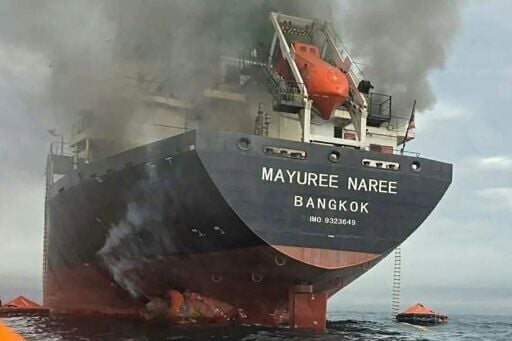
This market tracks whether Iranian forces will conduct a kinetic strike on or seize control of a commercial ship on July 31, as defined by specific actions and attribution rules. On Polymarket, the current probability that Iran will successfully target shipping stands at 2.0%. The resolution will be based on a consensus of credible reporting. All eyes will be on events occurring on July 31, the date by which any qualifying incident must take place for the market to resolve.
Polymarket
This market will resolve to "Yes" if Iranian forces conduct a kinetic strike on or seize control of a commercial ship on the specified date IRST (UTC +3:30). Otherwise, this market will resolve to "No". Attacks on military vessels will not be considered. Only military actions by Iranian forces explicitly claimed by the Islamic Republic of Iran or confirmed to have originated from Iranian territory or been carried out by Iranian forces will count toward the resolution of this market. Attacks by proxy forces (i.e. Hezbollah, Houthis, etc.) will not count toward the resolution of this market. Missile/drone strikes targeting a ship that are intercepted or otherwise do not directly impact the vessel will not be considered, regardless of damage through debris. Seize control refers to Iranian forces forcefully boarding and taking control of a commercial ship. Qualifying incidents include, but are not limited to, drone and missile strikes, aerial bombings, and kinetic actions carried out by Iranian operatives in person, such as seizing a ship by force. The primary resolution source for this market will be a consensus of credible reporting. If a kinetic incident occurs, but, on the specified date, 11:59 PM IRST, material ambiguity remains as to the exact timing of the incident, or whether the incident can be attributed to Iran, this market may remain open for an additional 3 calendar days, IRST. If, at such time, the attribution or timing of the incident still cannot be confirmed, this market will resolve to “No”.
Frequently asked questions
Prediction markets like this one often diverge from traditional analyst forecasts because they aggregate real-money incentives rather than expert opinion alone. Traders betting on this outcome face direct financial consequences, which can sharpen accuracy but also introduce volatility based on breaking news or geopolitical developments. Analysts may rely on historical patterns and formal models, while market participants respond dynamically to unfolding events. Comparing this market's odds to published forecasts from geopolitical analysts or think tanks can reveal where consensus differs and highlight which factors traders are pricing in most heavily.
On Polymarket, traders set the odds for this market through an automated market maker mechanism, where buying and selling pressure directly moves the price. On Polymarket, prices reflect that venue's order book, liquidity, and how traders price the outcome right now. The current odds reflect the aggregate belief of all participants holding positions in the contract. As new information surfaces—diplomatic statements, military activity reports, or shipping incidents—traders adjust their positions, causing the price to shift. This continuous repricing ensures the market remains responsive to real-world developments up until resolution.
This market resolves around Jul 31, 2026, with the outcome confirmed once the event is verifiable from credible public reporting. The resolution hinges on whether Iran successfully targets shipping during the specified timeframe. Credible news sources, official statements, and documented shipping incidents will inform the final determination. Until that date, traders can adjust positions based on emerging geopolitical signals, military posturing, or direct evidence of targeting activity.
Several catalysts could shift odds significantly: direct attacks or attempted targeting of commercial vessels, official Iranian military statements or threats, U.S. or allied naval responses, diplomatic escalation or de-escalation, and reports from shipping insurers or maritime authorities. Regional tensions, sanctions announcements, and statements from Iranian leadership also influence trader sentiment. Any verified incident involving Iranian forces and shipping lanes would likely trigger sharp repricing. Conversely, diplomatic breakthroughs or reduced military posturing could lower the probability traders assign to this outcome.


'%3e%3ccircle%20cx='26'%20cy='26'%20r='26'%20fill='%23000'/%3e%3cpath%20fill='%23fff'%20d='M27.6629%2037.9855L31.004%2037.6925L32.1989%2051.3689C33.72%2051.027%2035.2073%2050.5486%2036.6425%2049.9395V37.8085H40.7697V47.7178C42.4942%2046.577%2044.0775%2045.236%2045.4865%2043.7226L46.0172%2037.6591L49.5548%2037.9678C51.5707%2034.0725%2052.5697%2029.7306%2052.4591%2025.3456C52.3484%2020.9605%2051.1317%2016.6746%2048.9219%2012.886L48.7903%2014.392L44.6631%2014.0303L45.1937%207.97067C43.8569%206.58147%2042.3706%205.34447%2040.7619%204.28222V14.2406H36.6347V2.06247C34.8743%201.313%2033.0358%200.762345%2031.1533%200.420753L32.3463%2014.0637L29.0052%2014.3566L27.7513%200.0314647C27.3308%200.0118035%2026.9062%200%2026.4817%200C24.8262%204.44017e-06%2023.1745%200.157349%2021.5487%200.469906L23.9072%2013.8985L21.364%2014.3468L19.0253%201.0853C16.8454%201.73668%2014.7611%202.67345%2012.8266%203.87129L15.4601%2013.7019L13.4634%2014.2387L11.0146%205.09226C9.12509%206.49278%207.43337%208.1422%205.98527%209.99577L7.26077%2013.5014L5.80446%2014.0322L4.88665%2011.5097C3.41845%2013.6953%202.29182%2016.092%201.54558%2018.6172L1.95829%2018.4678L7.2647%2033.0387L5.80839%2033.5696L1.06407%2020.5303C-0.0225105%2025.6016%200.430464%2030.8821%202.36486%2035.6941C4.29926%2040.5061%207.62683%2044.6301%2011.9206%2047.5369L9.45605%2038.3355L11.4528%2037.7987L14.4677%2049.0567C16.5333%2050.1354%2018.7355%2050.9291%2021.0142%2051.4161L18.6892%2038.1605L21.2343%2037.7122L23.7283%2051.8683C24.6462%2051.9654%2025.5686%2052.014%2026.4916%2052.0138C27.2954%2052.0138%2028.0933%2051.9764%2028.8795%2051.9037L27.6629%2037.9855Z'%20/%3e%3cpath%20fill='%23000'%20d='M46.0368%2018.1276L50.1542%2018.4875L48.804%2033.9372L44.6768%2033.5774L46.0368%2018.1276ZM36.6484%2018.279H40.7756V33.7858H36.6484V18.279ZM31.0099%2018.1611L32.3601%2033.6109L29.019%2033.9038L27.6668%2018.454L31.0099%2018.1611ZM13.481%2033.7898L9.4698%2018.8099L11.4666%2018.2751L15.4778%2033.2452L13.481%2033.7898ZM21.3817%2033.892L18.6892%2018.6211L21.2343%2018.1729L23.9248%2033.4418L21.3817%2033.892Z'%20/%3e%3c/g%3e%3c/svg%3e)
%20scale(0.82)%20translate(-12.5%20-12.5)'%3e%3cpath%20fill='%23000'%20fill-rule='evenodd'%20d='M9.619%2012.69h12.995a1.382%201.382%200%200%200%200-2.76h-3.932l5.298-5.405.032-.032L22.08%202.56h-5.255V1.38c0-.76-.619-1.38-1.38-1.38H9.81c-.76%200-1.38.62-1.38%201.38V11.5c0%20.657.534%201.19%201.19%201.19m12.995-2.186h-5.3l5.89-6.01-1.139-1.139-5.813%205.933V1.38a.806.806%200%200%200-.805-.806.806.806%200%200%200-.805.806v9.545c0%20.656.533%201.19%201.189%201.19h6.783a.806.806%200%200%200%200-1.612'%20clip-rule='evenodd'/%3e%3cpath%20fill='%23000'%20fill-rule='evenodd'%20d='M14.393%2011.31H1.398a1.382%201.382%200%200%200%200%202.76H5.33L.032%2019.476%200%2019.507l1.931%201.933h5.255v1.18c0%20.76.619%201.38%201.379%201.38h5.638c.76%200%201.38-.62%201.38-1.38V12.5c0-.657-.534-1.19-1.19-1.19m.293%2011.31a.8.8%200%200%201-.788.805.797.797%200%200%201-.787-.805v-7.904l-5.69%205.928-1.113-1.139%205.764-6.005H6.884a.797.797%200%200%201-.787-.806c0-.444.353-.806.787-.806h6.638c.642%200%201.164.534%201.164%201.19z'%20clip-rule='evenodd'/%3e%3c/g%3e%3c/svg%3e)