TOTAL VOLUME:
$138.5b
24H VOL:
$114,060,923
24H TRANSACTIONS:
2,511,311,155
OPEN INTEREST:
$1,557,428,866
473,619
Markets across
36,594
events
MATCHED EVENTS:
2,899
PLATFORM COVERAGE:
5
Polymarket:
39%
VS.
Kalshi:
61%
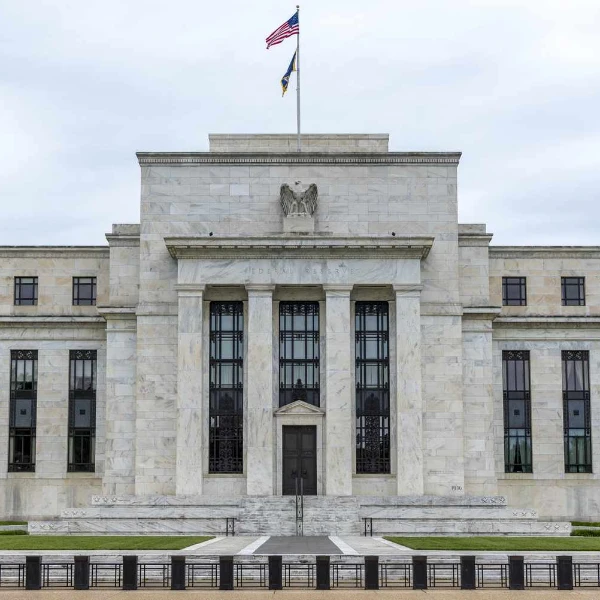
Fed maintains rate
- Kalshi
Fed maintains rate - Kalshi
1W
News
Positive
Negative
Neutral
Hover marker for details
Vol.
·
Resolved Jun 17, 2026
Latest in Economics


Closed: Jun 17, 1:59 PM EST

Kalshi
Intro
This market tracks whether the Federal Reserve will hold interest rates steady at their June 2026 meeting rather than implement a rate increase. On Kalshi, the probability that the Fed will not hike rates by more than 25 basis points stands at 98.0%, with a 1.0% probability assigned to a 25 basis point hike. Resolution is determined by the Federal Reserve's official decision on June 17, 2026, when the FOMC announces its rate action for that meeting.
Kalshi
These markets are mutually exclusive, meaning only one outcome can resolve to Yes. The five possible actions are: a cut exceeding 25 basis points, a 25 basis point cut, no change (0 basis points), a 25 basis point hike, or a hike exceeding 25 basis points. If the scheduled FOMC meeting is cancelled and does not occur on June 17, 2026, the "Fed maintains rate" market resolves to Yes and all others resolve to No.
Frequently asked questions
The Fed decision in Jun 2026 market resolves on Jun 17, 2026, following the Federal Reserve's official announcement of its monetary policy decision at the conclusion of their June 2026 meeting. Resolution is determined by the Fed's actual policy action—specifically whether they implement a 25-basis-point rate cut or not. The outcome is verified against official Federal Reserve communications and press releases. Once the Fed's decision is confirmed, the market settles and traders receive payouts based on the accuracy of their positions.
Several key catalysts could shift odds for the Fed decision in Jun 2026. Inflation data releases, employment reports, and GDP growth figures will influence market expectations about rate-cut necessity. Fed communications—including speeches, minutes from prior meetings, and forward guidance—often trigger sharp price moves. Geopolitical events, financial stability concerns, or credit market stress could accelerate or delay rate cuts. Treasury yields and market pricing of future rates also feed back into prediction market odds. Economic surprises relative to consensus forecasts typically generate the largest intraday volatility in this market.


