TOTAL VOLUME:
$62.1b
24H VOL:
$235,216,568
24H TRANSACTIONS:
600,147,874
OPEN INTEREST:
$1,359,678,827
584,153
Markets across
14,438
events
MATCHED EVENTS:
4,188
PLATFORM COVERAGE:
4
Polymarket:
50%
VS.
Kalshi:
50%
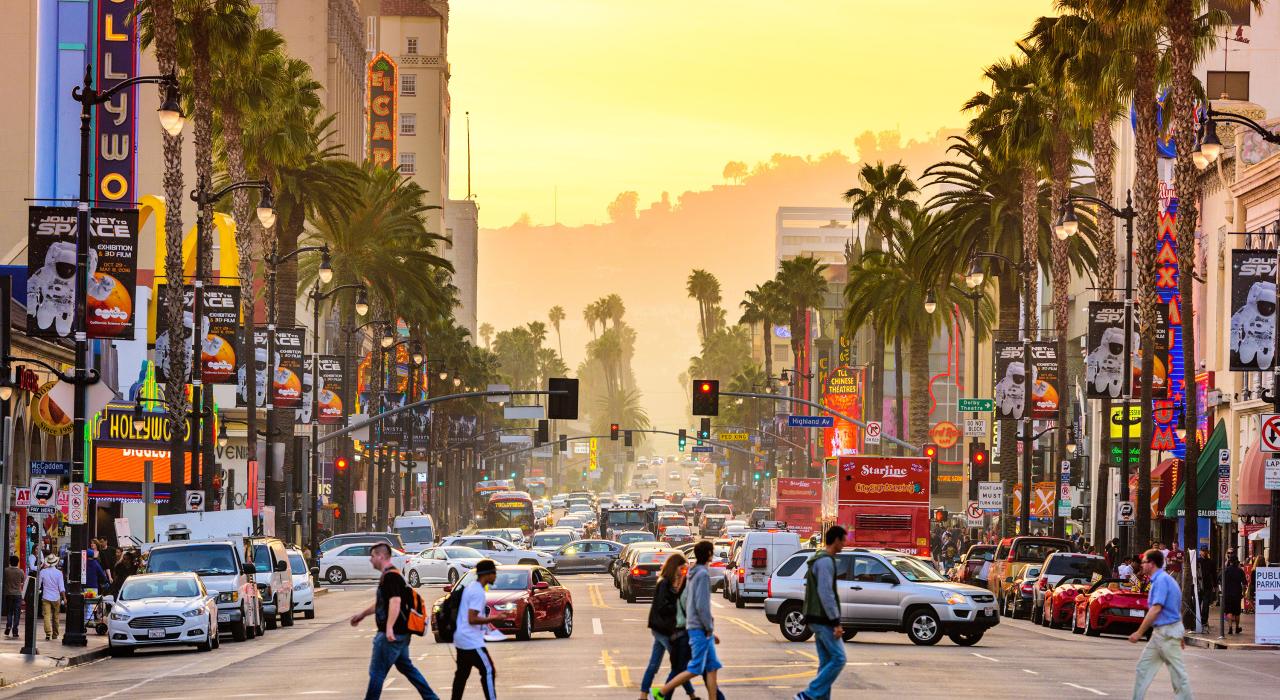
Highest temperature in Los Angeles on June 10? Odds & Prediction Markets
Closed: Jun 10, 10:00 AM EST
Description
This event group asks what the highest temperature will be in Los Angeles on June 10, 2026. Kalshi and Polymarket both reference the same underlying measurement (highest daily temperature at Los Angeles Airport), but they differ significantly in date, data source, resolution precision, and logical structure.
Frequently asked questions
Prediction market odds distill collective trader intelligence into real-time probabilities, often incorporating meteorological forecasts alongside market sentiment. While professional weather models provide deterministic temperature ranges, prediction markets weight those forecasts by trader conviction and liquidity. The gap between market odds and analyst consensus can reveal risk premiums, uncertainty about model reliability, or late-breaking weather pattern shifts. Comparing Polymarket and Polymarket odds to published National Weather Service or private forecaster guidance helps identify whether markets are pricing in tail risks or anchoring to consensus too heavily.
On Polymarket, prices reflect that venue's order book, liquidity, and how traders price the outcome right now. Kalshi and Polymarket may price the same event differently due to distinct user bases, liquidity pools, and outcome granularity. Kalshi's top outcome targets the 72–73°F range on June 9, while Polymarket focuses on 76–77°F on June 10, reflecting different date and temperature band specifications. Divergent trader demographics, fee structures, and order-book depth can also create spreads. Additionally, one platform may attract more sophisticated weather traders or see larger position accumulation, pushing odds apart until arbitrageurs or new liquidity narrow the gap.
The market resolves at Jun 10, 2026. Resolution hinges on the official recorded high temperature for Los Angeles on June 10, 2026, typically sourced from National Weather Service data or a designated weather station. The exact temperature reading determines which outcome bracket wins, making precision in measurement and data source critical. Traders should confirm each platform's specific resolution criteria and data provider before market close to avoid surprises.
Major weather pattern shifts, updated seasonal forecasts, and real-time atmospheric data releases can significantly move odds. Heat domes, marine layer strength, upper-level ridge positioning, and jet stream anomalies all influence LA's June temperatures. Major weather model runs (GFS, ECMWF, NAM) issued days before June 10 will attract trader attention and liquidity surges. Additionally, historical analogs, El Niño or La Niña conditions, and late-spring heat waves in the Southwest can shift market sentiment. As June 10 approaches, actual observed temperatures and intraday forecasts will drive final repricing.
Related events
Follow the signals, not the noise
Get insights on market conviction, notable shifts, and what the data is quietly signaling.